






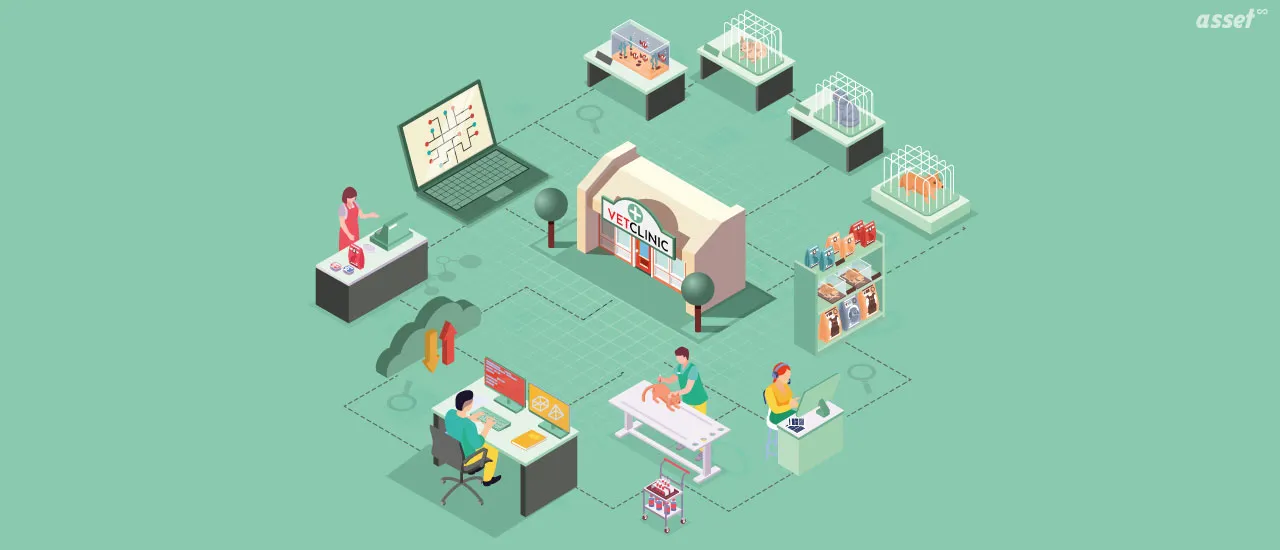
IT assets are an important part of any organization, especially now that everything is digital. They act as the backbone of the organization. However, in organizations outside the IT sector, most IT assets don’t receive much attention, because they are not seen as that important.
IT asset management (ITAM) is shaped directly by an organization’s IT infrastructure. Managing IT assets helps you get the most value from them, right-size the IT inventory, and make better purchasing decisions and strategies.
What Are Veterinary Clinics and Their IT Assets?
A veterinary clinic is a place where animals are diagnosed and treated for illness or injury.
The IT assets of a veterinary clinic can be any piece of software or hardware it owns. A few examples of a clinic’s IT assets are:
- Desktop computer and monitor
- Keyboard and mouse
- Printer
- Labeling machine
- Photocopier
Also Read: How Is the Tracking of Hospital Equipment Beneficial?
What Is IT Asset Management?
Tracking and managing IT assets is a practice that brings together financial, contractual, and inventory functions to support lifecycle management and strategic decisions about IT assets.
In simpler words, good IT asset management combines contractual, inventory, and financial functions for the organization, which here is a veterinary clinic.
Managing IT assets gives you full visibility and an in-depth understanding of your IT inventory, including:
- Existing systems and equipment
- Components location
- Usefulness of assets
- Cost of assets
- Date of purchase of an asset
- The expiry date of the asset
- Asset’s business service
This level of visibility into asset details helps veterinary clinics improve the efficiency and performance of their infrastructure and minimize related overhead expenses.
What Are the Benefits of Tracking and Managing IT Assets in a Veterinary Clinic?
Generally, hardware and software licenses are referred to as IT assets. Managing IT assets keeps a record of all the assets a veterinary clinic buys or rents.
The benefits of effectively managed IT assets are:
- Assets visibility & control
- Improved asset utilization
- Audit compliance
- Regulatory compliance
- Alignment of asset costs to services
- Configuration data for service management
- A data source for accurate decisions
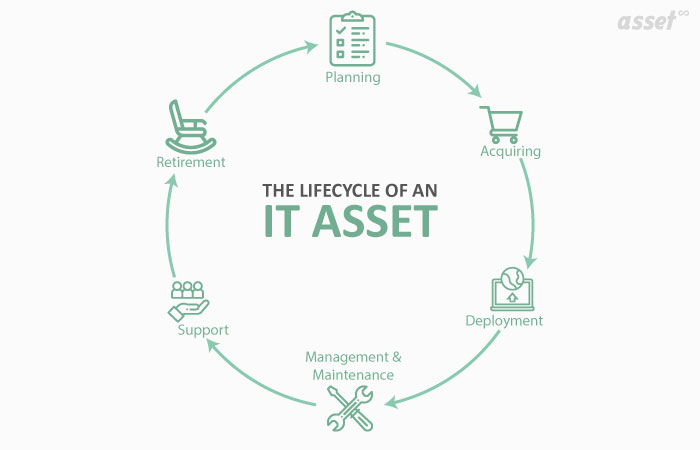
What Are the Steps Involved in Managing IT Assets?
The management of IT assets includes the following steps:
- Asset Tracking & Management (discovery, data capture & storage of assets)
- Lifecycle Management of Assets
- Asset Reporting and Alerting
- Audits and Physical Verification
Also Read: What Are the Benefits & Best Practices for IT Asset Management?
How Tracking and Managing IT Assets Helps a Veterinary Clinic
Some of the major benefits of managing IT assets in a veterinary clinic are:
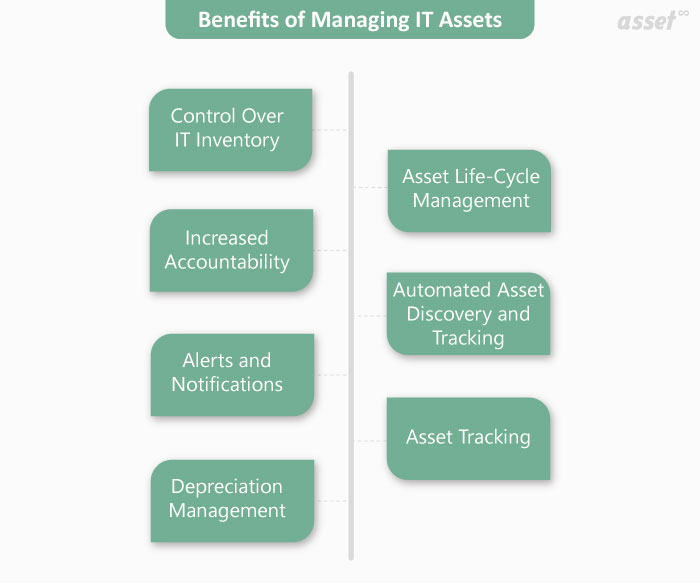
Control Over IT Inventory
Managing IT assets makes it easy to see the hardware and software components of computers, servers, and other network infrastructure. Visibility across all IT assets gives better IT administration, control, and accountability.
Asset Lifecycle Management
Hardware and software each have a point at which they should be replaced or disposed of. Managing IT assets keeps track of every hardware purchase, its useful life, and so on.
This actionable data is used to decide when to replace old or faulty hardware, uninstall an unsafe application, or update any system or to know when to extend or renew a contract with a vendor or hardware or software provider.
Missed To Read: Why Does IT Asset Management Play a Vital Role in Data Security?
Increased Accountability
Regular tracking of IT inventory, with automatic updates, helps monitor the hardware and software on the network and spot any harmful software or hardware that has been installed.
When system administrators can quickly isolate unsafe or outdated software and unauthorized downloads, it is easier to deal with potential risks before major problems arise.
Automated Asset Discovery and Tracking
IT assets used to be managed with manual, paper-intensive processes and spreadsheets, which were highly prone to inaccuracies and inconsistencies and needed manual entries and updates.
With an IT asset management solution that discovers devices on the network, the process has become simpler, quicker, and automated.
Alerts and Notifications
IT asset tracking and management software sends you notifications and alerts about activity on your IT assets, so you are always informed and up to date.
You receive alerts and notifications in important situations, such as when a contract or warranty is about to expire, when assets need maintenance or when it is scheduled, and when an asset’s status changes.
Asset Tracking
The most basic yet most powerful feature is asset tracking. It keeps the details of every asset current and helps you schedule its maintenance.
This visibility stops you from buying assets unnecessarily, because you always know where your assets are. You can also track maintenance records and see whether any asset needs more maintenance than it should, so you can sell that asset at disposal value.
Depreciation Management
Depreciation is an accounting process through which the office calculates how the value of an asset declines over time.
Every financial statement includes depreciation expense, which spreads the cost of buildings, machines, and equipment over the years in which they are used.
Depreciation management depends on the following:
- Method and Rate of Depreciation
- Useful Life of Asset
- Scrap Value of Asset
Also Read: Why Sanitation Industry Needs an Asset Management System in a Global Pandemic Scenario?
Every Veterinary Clinic Should Track Its IT Assets
There are many IT assets in a veterinary clinic. The most important is the computer system, because it holds all the patient records and related information and is used to generate reports. Without it, managing the clinic’s other operations would be close to impossible.
So, before managing anything else, IT asset management is necessary, because it supports all the other requirements (equipment and inventory) and the medical work of the veterinary clinic.
Every veterinary clinic should use tracking and management software for at least its IT assets, because it will help the clinic work smoothly and strategically.