






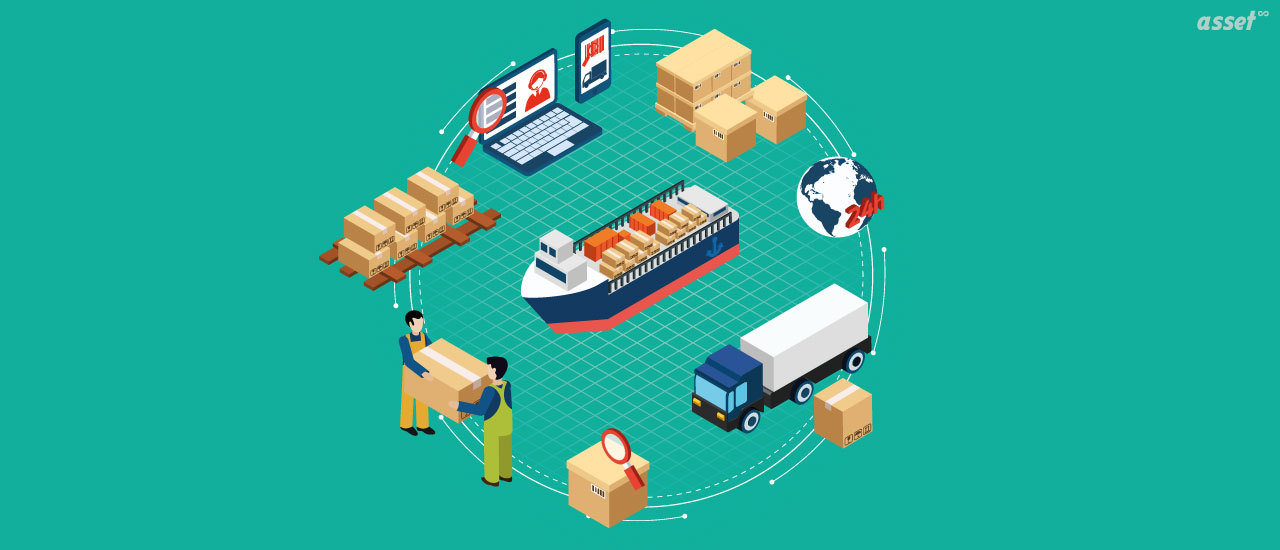
When a container is sent overseas, the sender does not know where the package is or what condition it is in once it has left the warehouse. Not knowing the current status of your shipment is risky, which is why shipping container tracking is important.
An efficient asset tracking system gives users up-to-date container information. An RFID-enabled asset tracking system provides strong visibility and keeps you informed.
The number of active RFID tags and asset trackers in use keeps growing across industrial automation, logistics, supply chain, agriculture, construction, mining and related markets.
Vehicle tracking for fleet management has long been the largest use, but tracking, locating and monitoring other types of assets, including shipping containers, livestock, machinery, equipment and tools, is growing fast.
What is Asset Tracking?
Asset tracking keeps track of every asset movement. Assets include expensive items such as laptops, computers, vehicles and any other equipment that plays an important part in the business.
The system provides information such as asset status and location. Several asset tracking techniques are available, such as RFID tags, GPS, BLE, QR codes and barcodes.
The main aim of the system is to improve asset usage and protect valuable items, assets and equipment. Other goals are better asset control and performance, and less equipment loss.
How Does Asset Tracking Help in Shipping Container Tracking?
To start with, there is a lot of uncertainty in the shipping process. The first party (the sender) fills the container with products and pays the delivery charges to the second party (the shipping line), expecting the container to reach its destination safely and on time. The shipping process is long and complex, and mistakes happen.
For example, a ship stops at a port of call and offloads the sender’s container by mistake. The shipping line does not find out until the ship has left the port.
As a result, the shipment is not delivered on time, and delivery can be delayed by months. Container tracking prevents situations like this, and an asset tracking system makes container tracking possible.
Many shipping lines deliver shipments with the help of asset tracking methods. Container tracking confirms that the cargo is on the ship.
If a container is left behind, the sender is informed and can send replacement products, and the shipping line collects the stranded cargo and returns it to the sender.
What Are the Benefits of Shipping Container Tracking?
Below are some of the benefits of shipping container tracking:
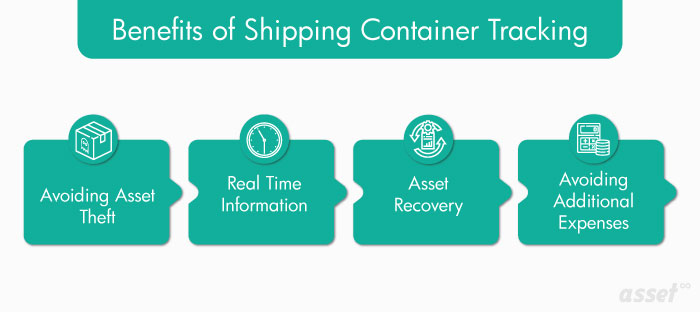
1. Avoiding Theft
Theft is a big problem all over the world, and skilled thieves take advantage of weak security. A shipping line is usually held liable for lost or stolen containers, and rightly so.
So it is important for the shipping line to keep track of its containers. Asset tracking software provides valuable information once container tracking is in place, tracking assets with GPS technology.
A container fitted with GPS reports its location at regular intervals without losing accuracy. GPS does have some drawbacks: depending on the type, trackers can be expensive and use a lot of power.
2. Real-Time Information
Containers move constantly from one place to another, and this movement is central to the logistics industry. When you have current information about assets or containers, everyone can coordinate effectively, so the container is not damaged and the goods inside arrive safely in one piece.
3. Asset Recovery
Cargo theft is a global challenge with a major negative effect on supply chains and the world economy. It affects the shipping and logistics industry, and also consumers, retailers and insurers.
This shows how important it is to keep assets safe. An asset tracking system gives you a fighting chance against cargo theft because it shows the accurate location of the container, so quick action improves the chance of recovering it.
4. Avoiding Additional Expenses
When the sender runs into problems moving goods through the supply chain, the costs add up. An asset tracking system can give you early warning of a delayed or compromised shipment.
A useful feature of an asset tracking system is check-in and check-out, which can be very helpful for a shipping line. It keeps a record of who has each container and reduces the chance of a container being misplaced.
Tracking Brings Certainty to Shipping
Asset tracking systems have changed the transportation and logistics industry. Every industry tries to adopt new technologies, and this one is no different.
Lost and delayed containers can do real harm to a business, and asset management software helps manage and overcome those problems.
Shipping goods by sea is a complex activity, but if you are willing to work through the complexity, you can find an answer that suits your organization’s needs. We have worked with several organizations to implement asset tracking systems, including GPS asset tracking.
Frequently Asked Questions (FAQs)
1. What is the first Party and second party in logistics industry?
The first party is the organization that wants to send goods to another place or country in a shipping container. The second party is the company that is paid to carry the goods in the container from one place to another by ship, and is responsible for them.
2. How would you track the location of the company asset?
Physical assets can be tracked with barcode labels, radio-frequency identification (RFID) tags or Global Positioning System (GPS) trackers. These tags or labels carry a unique number that an asset tracking system uses to find each asset’s location.
3. Which technology is used in Shipping container tracking?
Several technologies are available, but GPS and IoT (Internet of Things) are the most widely used for shipping container tracking.