







Many organizations want to optimize their operations and increase efficiency but do not know how. One of the best ways is to implement mobile asset tracking. It can play a crucial role in improving performance and gives you the flexibility to schedule work from your phone. This article explains what mobile asset tracking is and what its benefits are.
What Is Mobile Asset Tracking?
Mobile asset tracking is asset tracking done with a mobile device. Software is now built specifically for phones, because today’s phones have the features needed to do asset tracking easily and effectively.
It also gives you flexibility to make changes when you are away from the office, so you are not tied to your workstation. You can add or change work as you need.
What Are the Benefits of Using Mobile Asset Tracking?
The benefits of using mobile asset tracking are discussed below:
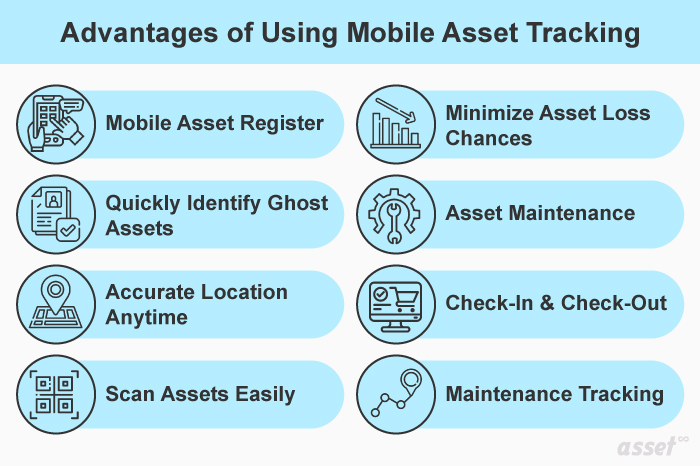
1. Mobile Asset Register
An asset register holds all the information about the assets an organization owns. On your phone, you have all that information at your fingertips and can use it more productively.
With a register on their phones, workers can look up and update information from anywhere at any time, which is especially valuable for field workers.
2. Quickly Identify Ghost Assets
Ghost assets are assets that are listed in the fixed asset register and account books but are not physically available.
In simple words, you may be paying taxes on assets you are not even using. With mobile asset tracking, you can verify every asset on the spot, so ghost assets are found and removed from the books.
3. Accurate Location Anytime
With mobile asset tracking, you can check the recorded location of any asset from your phone at any time. You do not have to go back to your workstation to find out where an asset is.
A smartphone makes it easy to keep track of assets and saves trips back to the office. It makes you more efficient.
4. Scan Assets Easily
Phones can scan barcodes and QR (Quick Response) codes with the camera, and with a paired reader they can also read RFID (Radio Frequency Identification) tags.
This reduces the cost of buying scanners, because the phone works as one. Among the many asset tracking techniques, choose the one that fits your requirements.
5. Minimize Asset Loss Chances
Asset theft and misplacement can be serious problems for a business. They reduce efficiency, and production suffers. Keeping track of assets is important, and a phone is an effective way to keep track of each one.
Also Read: How to Track Business Assets and Equipment Like a Professional?
With GPS trackers or RFID readers at exits, the software can alert you when a tagged asset leaves an area, so it can be secured. Knowing the recorded location of each asset also reduces the chance of misplacement.
6. Asset Maintenance
To take care of assets, each one needs maintenance on time. Maintenance matters for all assets because it keeps repair bills down.
You need to make sure assets are maintained on schedule, and you can plan maintenance from your phone. While inspecting assets, you can check them and raise maintenance on the go.
7. Check-In & Check-Out
Check-in & check-out is an essential tool for asset tracking. It tells you which asset is assigned to whom.
You can keep track of every asset and check its condition. A phone gives you the flexibility to handle check-in and check-out wherever you are.
8. Maintenance Tracking
Maintaining your assets keeps your processes running well. With mobile asset tracking software, you can set recurring reminders for routine upkeep of the equipment your business uses.
For instance, you can set reminders based on what you know about an asset’s past use or condition. A phone lets you schedule maintenance in a few steps.
Some asset tracking apps also show who is responsible for the upkeep, the expected completion date and more.
Pairing Mobile Tracking with Asset Management Software
Mobile asset tracking can improve productivity and efficiency. To get the most from it, asset management software is equally important. It gives you accurate data for informed, strategic decisions.
You can also schedule maintenance easily and create a work order for each job. Each work order can carry a checklist, which makes the maintenance team more efficient and effective.
Frequently Asked Questions (FAQs)
1. What is the main purpose of mobile asset tracking?
The main purpose of asset tracking is to know where assets are and keep them secure, and that is one of the main objectives of mobile asset tracking. It also gives you data that helps the organization make business decisions. A phone gives you the freedom to work from anywhere and change the priority of work orders as needed, without being tied to your workstation.
2. How does mobile asset tracking technology work?
Mobile asset tracking uses an application installed on mobile devices such as smartphones and tablets. In the app, you record the required asset information, such as a unique identification number, location and asset type. From then on, scans and updates made on the device capture information that is useful to the business.
3. How are asset tags useful in mobile asset tracking?
Asset tags make assets easier to manage and give you detailed information about them. Each asset tag has a unique identification number for retrieving information quickly. With RFID tags and a paired reader, you can read many tags at once.