







A pandemic hurts every industry and sector. A few sectors, though, must step up their operations with even more effort and dedication because of the responsibility they carry.
A pandemic is an epidemic that has spread across a wide geographical region, such as several continents or the whole world. Human history is full of pandemic outbreaks. Some of the most frightening are listed below:
- HIV/AIDS (from the 1980s)
- Hong Kong flu (1968)
- Asian flu (1957-58)
- Spanish flu (1918)
The list goes on, but these are among the most recent. The latest pandemic to afflict the world is COVID-19, with a devastating loss of life.
What happens during a Pandemic?
Everyone becomes very cautious about the disease and how fast it can spread. Regulations are put in place and people are required to stay at home and work remotely.
Every industry has to work digitally under remote working conditions, because it cannot afford to stop or slow down. However, there are some industries that need to work in the frontlines during such pandemic emergency situations.
These industries include healthcare and related sectors like medical supplies, testing laboratories, medical centers, nursing homes, pharmaceuticals, etc.
These industries and their personnel cannot work remotely. They have to work at the forefront, even risking their own health and even lives, in the course of providing patients with medical care. These industries have to continue working in a selfless manner as they are providing critical care for the people.
It goes without saying, therefore, that the healthcare industry should always be equipped with all essential medical supplies, pharmaceuticals, equipment, and machines. For them, out of stock is not an option. They need to be prepared in advance with all materials ready to provide care whenever needed.
Obviously, doctors cannot risk patients’ lives due to the non-availability of pharmaceuticals or medical supplies.
What is the need of the Asset Management System?
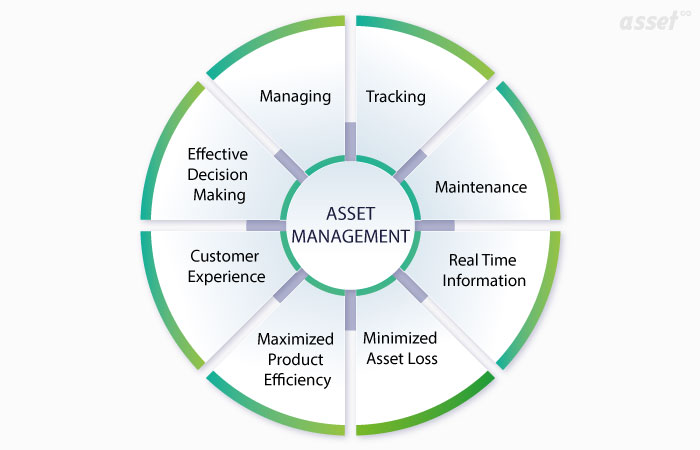
Asset management is a systematic way to operate, maintain, upgrade and dispose of assets in the most cost-effective manner, while managing cost, risk and performance parameters.
Asset Management Software is an application tool used for recording and tracking an asset throughout its life cycle, from procurement until its disposal.
Asset Management Software tool helps an organization to gather information on their assets like location, the user, condition and manner of usage, and other important details.
Asset management software for healthcare has major benefits, such as getting the most use and value from assets, informed decision making through cost transparency, proactive software licensing compliance, managing services as well as assets, tracking vendor performance through transparent metrics, and optimized allocations of assets for optimized Return on Assets (ROA).
The Software solution can:
- Keep track of all assets
- Manage assets from different locations
- Provide an opportunity to plan against financial, operational, and legal risks
- Define service levels
- Organize the asset portfolio
- Create a more efficient operation with the ability to track performance
- Improve time management
- Measure and monitor life cycle costs
- Promote economic stability and growth of the company
Also Read: How Asset Management helps Hospital and Pharmaceutical Industry?
How an Asset Management System Helps Several Industries in a Pandemic
1. Healthcare Industry
Hospitals use implantable medical devices such as surgical clips, which are expensive but small. With an inventory management system, each device can carry a serial number that tracks its movement, its use in patient care and when stock is about to run out.
- Asset Tagging for Check in check out process
- Efficient Stock management
- Use analytics to make effective decisions
- Real-time tracking
Healthcare focuses on caring for patients, which depends on high-quality equipment and materials being available for their treatment.
2. Medical Supplies
Consumption of excess resources and ineffective treatment may end up denying proper treatment to other patients who would have benefited had the resources been used better.
Key Elements of Operational Healthcare & Medical Supplies:
- Planning
- Acquisition
- Operation and Maintenance
- Performance Management and Monitoring
3. Research and Medical Laboratories
A complete solution can provide accurate and efficient tracking of all laboratory equipment:
- Eliminate unnecessary time spent in searching for an equipment
- Schedule alerts and notifications for upcoming preventive maintenance or calibrations
- Provide notification on equipment lease expiry or their due date of return
- Allow laboratory personnel to reserve equipment efficiently
- Help with information on every aspect of all the assets
- Manage assets from different locations
- Provide an opportunity to plan against financial, operational, and legal risks
- Define service levels
- Organize the asset portfolio
- Create a more efficient operation structure with the ability to monitor performance
- Improve time management
- Measure and monitor life cycle costs
- Promote the economic stability and growth of the company
4. Pharmaceuticals
Pharmaceuticals and surgical equipment are among the most used items in a hospital, so each hospital has to keep good stocks of medicines at all times.
The expiry of a drug patent is a big factor for the pharma industry producing drugs and medicines. For example, if a patent expiry goes unnoticed and nobody acts on it, it can disrupt the production schedule and supply of the medicine.
An unnoticed patent expiry can cause losses in production and packaging, financial damage and harm to the business reputation.
Software that records key dates helps the business keep track of expiry dates and plan renewals in good time.
5. Asset Tracking
Asset tracking is the system of capturing an asset’s complete data on status, location, condition and more by using scanners to read barcodes or RFID tags. It provides accurate real-time data.
Benefits of Asset Tracking:
- Extending the life of assets
- Reduced maintenance expenses
- Simpler audits and smooth operations
- Recovery and GPS location tracking
- Increased productivity
- Scheduling and monitoring of asset maintenance
- Accurate check-in/check-out
Also Read: 7 Best Tips for Increasing Productivity via Asset Management
Frontline Industries Cannot Afford to Run Out
For all the industries above, asset management is important for the welfare of society at any time. These industries cannot afford to fail. We are so much dependent on our doctors, nurses, researchers, etc. Without them working effectively, we cannot get through a pandemic.
Such critical industries cannot, therefore, be left to any kind of negligence. They need an asset management system implemented in their workflow so that they can carry out their responsibilities more effectively and easily. They cannot be made to run out of stocks of medical supplies or equipment, as they are battling in a life and death situation when a pandemic rages on.