






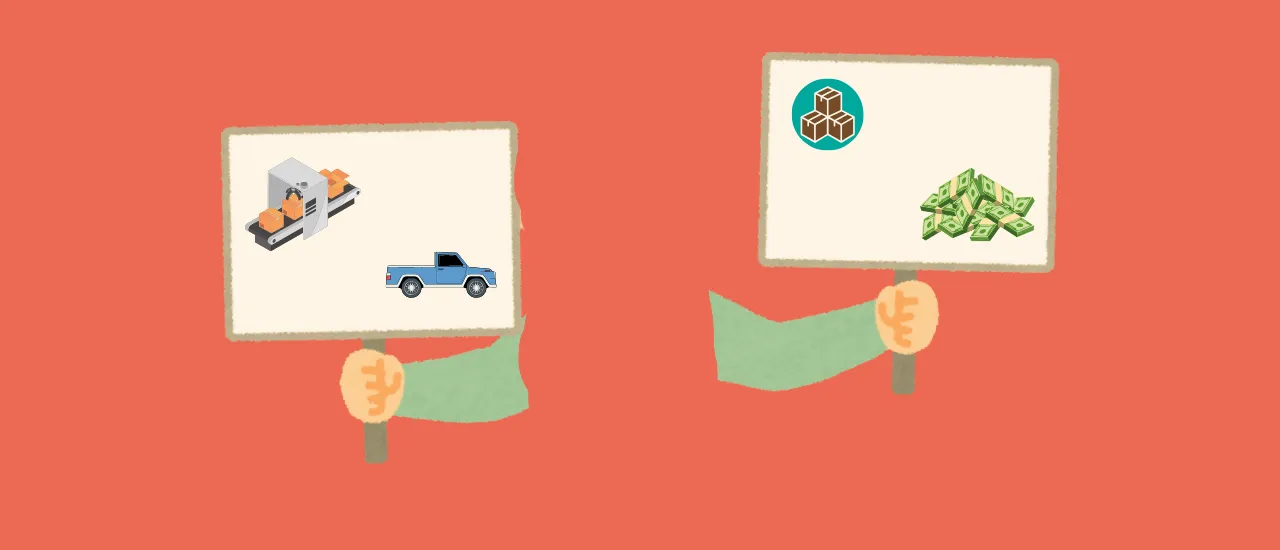
Asset management is a cornerstone of any successful business. Understanding the difference between current assets and fixed assets plays a vital role in decision-making, resource allocation and financial planning. Each type of asset does a different job in your business, so managing both well is critical to smooth operations, profitability and growth.
The short version: current assets are cash and the things a business expects to turn into cash, sell or use up within a year or one operating cycle, such as receivables and inventory. Fixed assets are long-term physical assets the business keeps and uses for more than a year, such as machinery, vehicles and buildings. Fixed assets are not current assets. They are noncurrent (long-term) assets, reported on the balance sheet as property, plant and equipment. This guide covers what each one is, a side-by-side comparison, a sample balance sheet and how to manage both.
What Are Fixed Assets?
Fixed assets are long-term, tangible resources that a company uses to produce goods or provide services. They are not intended for sale in the normal course of business, but the business cannot run without them. Examples include machinery, vehicles, buildings, land, office equipment, computers and tools.
Fixed assets are expected to be used for more than a year, so their cost is spread over their useful life through depreciation. Land is the exception and is not depreciated. On the balance sheet, fixed assets are shown at cost less accumulated depreciation, often on one line called “Property, plant and equipment, net”.
Advantages of Fixed Assets
- Long-term operating value. Machinery and buildings provide use for years and form the backbone of production and services.
- Depreciation deductions. Depreciation is a deductible expense for tax, which lowers taxable income over the asset’s life. In the US, most business equipment is depreciated for tax under MACRS.
- Balance sheet strength. Property and equipment can support borrowing, and lenders often take it as collateral.
Disadvantages of Fixed Assets
- High upfront cost. Buying fixed assets takes a large amount of cash at once, which can strain a smaller business.
- Loss of value. Depreciation reflects the asset wearing out. The business has to plan for replacement, which adds to the long-term cost.
- Maintenance costs. Machinery and vehicles need regular servicing to keep running, and repair costs rise as they age.
- Low liquidity. A fixed asset cannot be turned into cash quickly without disrupting operations or selling at a discount.
What Are Current Assets?
Current assets are short-term resources that a business expects to convert into cash, sell or consume within one year or one operating cycle, whichever is longer. They pay for day-to-day operations and cover short-term bills.
Common examples, in the order they usually appear on a balance sheet:
- Cash and cash equivalents, including money market funds and Treasury bills that mature within three months.
- Short-term investments, such as marketable securities the business expects to sell within a year.
- Accounts receivable, which customers owe for goods or services already delivered.
- Inventory: raw materials, work in process and finished goods. See asset vs inventory for why inventory is a current asset and not a fixed one.
- Prepaid expenses, such as insurance or rent paid in advance.
Advantages of Current Assets
- High liquidity. Current assets can be turned into cash quickly to pay suppliers, wages and short-term debt.
- No depreciation. Current assets are not depreciated. Inventory is written down only if it becomes damaged or obsolete, and receivables are reduced only for amounts not expected to be collected.
- Day-to-day operations. Inventory and receivables keep the business trading without interruption.
Disadvantages of Current Assets
- Lower returns. Cash held in the bank earns little compared with an investment in equipment that produces goods.
- Exposure to market changes. Inventory can lose value if demand or prices fall, and customers may pay late or not at all.
- Constant attention. Current assets turn over quickly, so stock levels and collections need watching every week.
Current Asset vs Fixed Asset
When comparing current assets vs fixed assets, the main differences are liquidity and how long the business expects to hold them. Fixed assets are long-term and provide value over several years. Current assets are short-term and give the business the cash and flexibility it needs for daily operations.
| Current assets | Fixed assets | |
|---|---|---|
| Time held | Within one year or one operating cycle | More than one year |
| Purpose | Fund daily operations; turn into cash | Produce goods or deliver services |
| Liquidity | High | Low |
| Examples | Cash, receivables, inventory, prepaid expenses | Land, buildings, machinery, vehicles, computers |
| Balance sheet section | Current assets, listed first | Noncurrent assets, as property, plant and equipment |
| Depreciation | None | Yes, except land |
| Valuation | Cash at face value; receivables net of allowance; inventory at lower of cost and net realizable value | Cost less accumulated depreciation and any impairment |
| Used in | Working capital, current ratio, quick ratio | Fixed asset turnover, return on assets |
| Tracked in | Cash book, receivables ledger, inventory system | Fixed asset register |
Both are needed. Fixed assets support long-term growth and production, and current assets keep the cash flowing that pays for them.
Are fixed assets current assets?
No. A fixed asset is a noncurrent asset by definition, because it is expected to be used for more than a year. The one exception is a fixed asset the business has decided to sell: once it meets the held-for-sale criteria under US GAAP, it stops being depreciated and is shown separately as held for sale, often within current assets if the sale is expected within a year.
Current vs long-term assets
“Long-term assets” and “noncurrent assets” mean the same thing. They include fixed assets, intangible assets (patents, trademarks, software), long-term investments and goodwill. Every fixed asset is a long-term asset; a patent is a long-term asset that is not a fixed asset.
Assets vs current assets
“Assets” is everything the business owns or controls that has future value. Current assets are one part of that total, and noncurrent assets are the rest. Total assets = current assets + noncurrent assets.
Current Assets and Fixed Assets on a Balance Sheet: An Example
Here is a simplified balance sheet for a small manufacturer. The current assets come first, in order of liquidity, and the fixed assets follow under noncurrent assets.
| Balance sheet line | Amount |
|---|---|
| Current assets | |
| Cash and cash equivalents | $120,000 |
| Accounts receivable, net | $85,000 |
| Inventory | $140,000 |
| Prepaid expenses | $15,000 |
| Total current assets | $360,000 |
| Noncurrent assets | |
| Land | $80,000 |
| Buildings and equipment, at cost | $500,000 |
| Less accumulated depreciation | ($180,000) |
| Property, plant and equipment, net | $400,000 |
| Intangible assets, net | $40,000 |
| Total noncurrent assets | $440,000 |
| Total assets | $800,000 |
If the same company has $150,000 of current liabilities:
- Working capital is current assets minus current liabilities: $360,000 − $150,000 = $210,000.
- Current ratio is current assets divided by current liabilities: $360,000 ÷ $150,000 = 2.4.
- Quick ratio leaves out inventory and prepaid expenses: ($120,000 + $85,000) ÷ $150,000 ≈ 1.37.
Notice that land sits inside property, plant and equipment but is not part of the accumulated depreciation, because land is not depreciated. The $400,000 net figure is what the fixed asset register has to support line by line.
How to Manage Both Types of Asset
Current assets are mostly managed by finance: cash forecasting, collections and stock levels. Fixed assets need finance and operations working together, because the asset is out on the floor while its value is on the books.
- Set a capitalization policy. Decide the dollar threshold and minimum life above which a purchase becomes a fixed asset rather than an expense.
- Keep a fixed asset register. Record each asset’s number, category, location, custodian, cost, useful life and depreciation method. Our guide on how to prepare a fixed asset register lists the fields.
- Run depreciation every period. Post it and reconcile the register to the general ledger each month. The MACRS depreciation calculator shows the US tax schedule for any asset class.
- Count what you own. Verify fixed assets physically at least once a year, and count inventory on a regular cycle.
- Maintain the equipment. Planned servicing keeps fixed assets productive for their full useful life.
How Asset Infinity Manages Fixed Assets
Asset Infinity’s fixed asset management software keeps the register, the depreciation and the physical verification in one place.
- Depreciation in several books. Each asset can carry statutory, tax and management books, each with its own method: straight-line, declining balance, units of production driven by meter readings, or a rate table such as MACRS GDS and ADS. Runs are calculated, posted and can be reversed.
- Journal export. Depreciation journals export to your general ledger.
- Verification with a phone. Scanning tags in the mobile app marks each asset verified, moved, damaged or not found.
- Standard reports. The depreciation register, book value by asset class, assets acquired by month and disposals by reason come with the product.
- Maintenance on the same record. Repairs and preventive maintenance sit on the same asset, so the cost of keeping it is visible beside its book value.
For the full asset record, see the asset register.
FAQs on Current Asset and Fixed Asset
Are fixed assets considered current assets?
No. Fixed assets are noncurrent assets used in the business for more than a year. Current assets are expected to be turned into cash, sold or used up within a year or one operating cycle.
What are examples of current assets?
Cash, short-term investments, accounts receivable, inventory and prepaid expenses.
What is an example of a fixed asset?
Machinery, vehicles, buildings, land, office furniture and computer equipment.
Is a car a fixed asset or current asset?
A car the business uses is a fixed asset, depreciated over its useful life. A car held for sale by a dealer is inventory, which is a current asset.
Is inventory a fixed asset?
No. Inventory is a current asset because it is held for sale or for use in production within the operating cycle.