






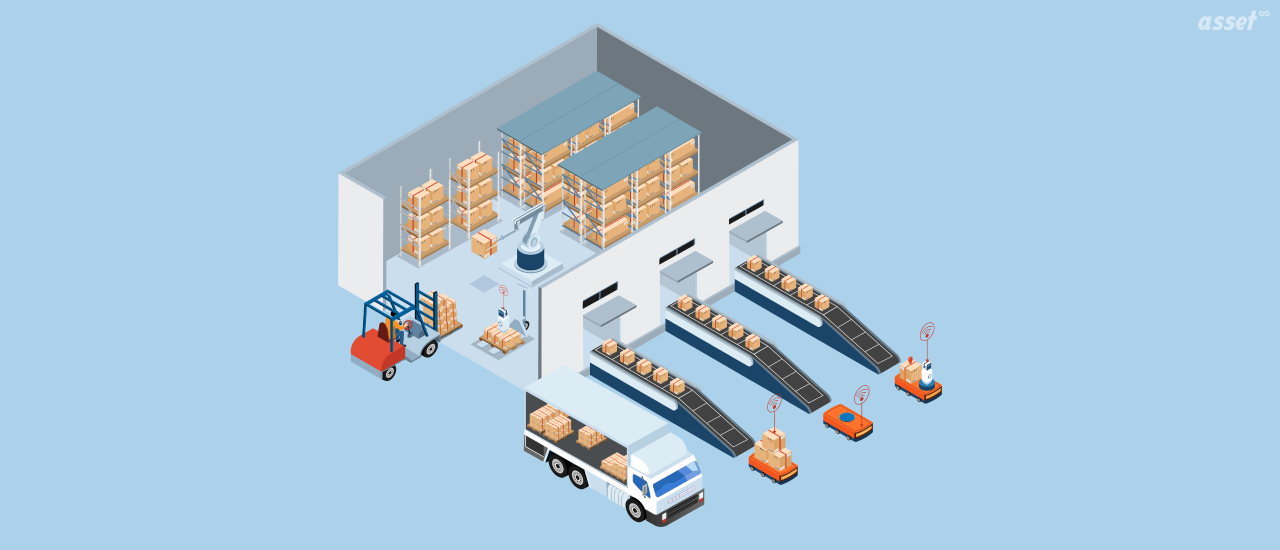
Warehouses are the unsung heroes of the modern supply chain, keeping goods flowing from manufacturers to retailers and finally into the hands of consumers. Behind the scenes, a complex routine plays out as products are received, sorted, stored and shipped. What keeps this intricate operation running smoothly? The answer is effective warehouse management.
What Is Warehouse Management?
Warehouse management is the efficient operation and control of a warehouse’s daily activities, from receiving and storage to order fulfillment and shipping. It is the skill of making the best use of space, labor and resources so that products move in and out of the warehouse with precision and efficiency.
In the past, warehouse management was largely a manual, paper-based process that relied on memory and labor-intensive tasks. The digital age brought warehouse management systems (WMS), software applications designed to organize and automate these critical tasks.
This post looks at WMS and the many benefits it offers businesses of all sizes and industries.
Key Features Commonly Found in a Warehouse Management System (WMS)
Inventory Management
- Real-time inventory tracking: Gives up-to-the-minute visibility into stock levels and locations.
- SKU management: Manages many product SKUs with different attributes and characteristics.
- Lot and serial number tracking: Traces products by lot or serial number for quality control and recalls.
Order Management:
- Order processing: Speeds up order fulfillment with features for picking, packing and shipping.
- Order prioritization: Prioritizes orders automatically based on criteria such as shipping deadlines or customer priority.
- Wave planning: Groups orders for efficient picking and packing based on factors such as proximity and product attributes.
Receiving and Putaway:
- Advanced receiving: Simplifies receiving, including quality checks, cross-docking and returns.
- Putaway optimization: Suggests the best storage locations for incoming goods based on factors such as demand and storage capacity.
Picking and Packing
- Multi-order picking: Picks items for several orders in a single pass through the warehouse.
- Packing rules: Defines packing rules so items are packaged correctly for different shipping methods and destinations.
- Packing verification: Confirms that the correct items are packed in each order before shipping.
Shipping and Transportation Management:
- Carrier integration: Connects with carriers to generate shipping labels and track shipments.
- Shipping rate shopping: Compares carrier rates to choose the most cost-effective shipping method.
- Routing and load optimization: Plans routes and load distribution for outbound shipments.
Also Read: How Asset Tracking System is helpful in Shipping Container Tracking?
The Major Benefits of a Warehouse Management System
- Improved inventory accuracy: A WMS shows inventory levels and locations as they change. This accuracy reduces errors and stockouts and keeps replenishment efficient. Businesses understand their stock levels better, which prevents overstocking and understocking.
- Higher productivity: A WMS organizes warehouse operations and automates tasks. It makes picking, packing and shipping efficient and cuts the time and effort these processes take. Higher productivity means faster order fulfillment and lower labor costs.
- Fewer errors: By automating data entry and order processing, a WMS reduces human errors in inventory management and order fulfillment. Fewer errors mean fewer costly mistakes in shipping, returns and inventory, which improves customer satisfaction.
- Cost savings: A WMS helps businesses save in several ways. It lowers labor costs through better processes and fewer errors. Efficient use of space reduces storage costs. Better inventory control reduces carrying costs, including storage fees and insurance. Together, these savings make for a healthier bottom line.
- Higher customer satisfaction: A WMS improves the customer experience in several ways. Faster order processing leads to quicker deliveries. Accurate shipments and live order tracking improve transparency and reliability. Together, these build customer satisfaction and loyalty.
These benefits show the critical role a warehouse management system plays in modern supply chain and warehouse operations. A WMS can improve efficiency, save money and satisfy customers, which makes it an essential tool for businesses that want to do well in a competitive market.
Why a WMS Pays for Itself
In modern logistics and supply chain management, a well-implemented warehouse management system (WMS) stands out for its efficiency, accuracy and cost-effectiveness. We have seen how it changes warehouse operations and contributes to business success.
With accurate inventory, companies can put an end to stockouts and costly overstocking. Higher productivity means faster order processing and lower labor costs, with fewer human errors along the way. These savings make a strong case for adopting WMS technology.
A WMS also matters beyond the balance sheet, because it helps you exceed customer expectations. As shipments become more accurate and transparent, customer satisfaction rises, which builds lasting loyalty.
When precision, speed and cost-effectiveness matter most, a warehouse management system becomes the backbone of modern warehousing and logistics. We look forward to sharing more insights as technology keeps changing the industry. Until then, may your warehouses be efficient, your orders accurate and your customers delighted.