






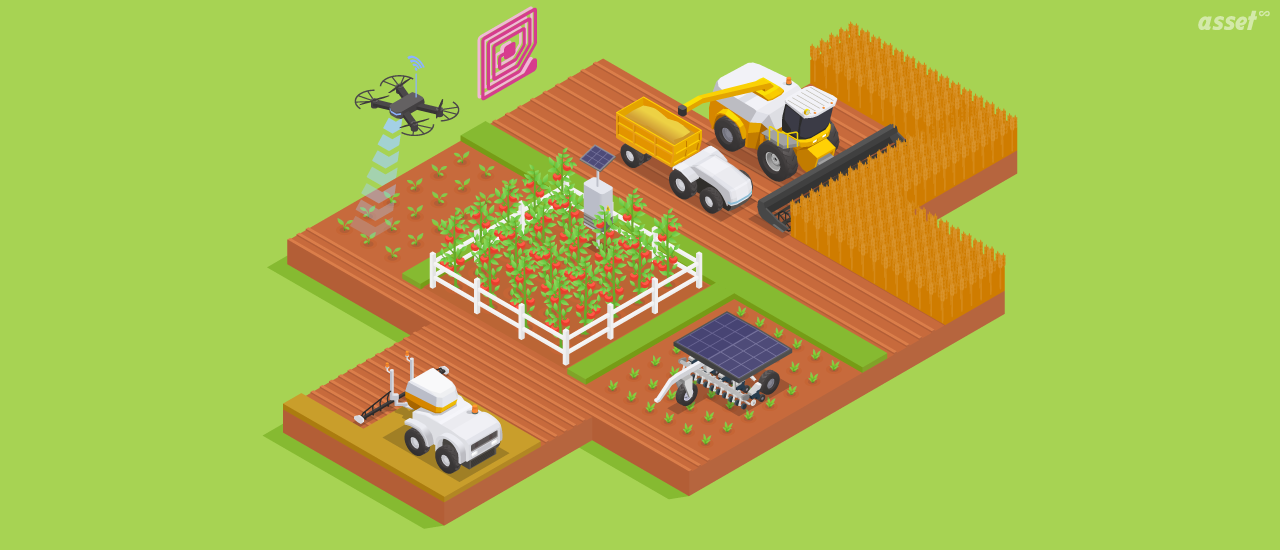
The agriculture industry, often seen as deeply rooted in tradition, has been transformed by modern technology. One innovation making significant waves in the sector is Radio-Frequency Identification (RFID). RFID has moved beyond its origins in inventory management and logistics to become a major force in agriculture. It improves crop and livestock management, and it is also changing the way farming is done.
This article explores the many roles of RFID in agriculture and how the technology is improving efficiency, sustainability and productivity for farmers and agribusinesses around the world.
How RFID Works
At its core, RFID is a wireless communication technology that uses electromagnetic fields to automatically identify, track and manage objects, assets and even living beings. It uses small RFID tags, or transponders, fixed to objects or animals. These tags contain unique identification numbers and, in some cases, additional data. RFID readers, equipped with antennas, send out radio signals to communicate with the tags. When a tag enters the reader’s field, it responds with its unique information.
Here is the central role that RFID plays in agriculture and how it is transforming the industry.
1. Precision Farming: Changing Crop Management
- RFID-enabled sensors and tags can monitor environmental conditions, such as soil moisture, temperature and humidity, providing real-time data that helps farmers decide on irrigation, fertilization and pest control.
- Individual plants can be tagged, allowing precise tracking of growth, health and yield. This information enables targeted interventions and increases crop output.
2. Livestock Monitoring: Improving Animal Welfare
- RFID ear tags and implants are commonly used for livestock identification. They allow accurate record-keeping for individual animals, making it easier to track health, breeding and vaccination schedules.
- Monitoring systems that use RFID can help detect abnormal behavior or health issues in livestock, allowing early intervention and better animal welfare.
3. Supply Chain Traceability: Ensuring Food Safety
- RFID tags and sensors help track the journey of agricultural products from farm to table. This traceability improves food safety by quickly identifying the source of contamination in case of a recall.
- Consumers can scan product labels to see information about the origin, processing and quality of what they buy, which builds trust and transparency.
4. Inventory Management: Simplifying Operations
- In warehouses and storage facilities, RFID simplifies inventory management by automating data capture and reducing manual handling errors.
- Farmers and agribusinesses can track the movement and storage conditions of agricultural inputs, so they are used efficiently and waste is kept down.
5. Pest and Disease Control: Early Detection
RFID technology can be used to build smart traps and monitoring systems for pests and disease carriers. This early detection allows timely pest management and reduces crop damage.
Benefits of Using Radio-Frequency Identification (RFID) in Agriculture
- Better Data Accuracy: RFID technology provides real-time, automated data collection and reduces reliance on manual data entry. This minimizes human errors in tasks like inventory tracking, animal identification and environmental monitoring. As a result, farmers can make better decisions based on accurate, up-to-date information.
- Higher Efficiency and Productivity: RFID simplifies many agricultural processes, such as livestock management, inventory control and crop monitoring. Automated data capture, equipment tracking and real-time monitoring save time and reduce labor. Farmers can achieve more with less effort, which raises overall productivity.
- Better Use of Resources: RFID sensors collect data on soil conditions, moisture levels and environmental factors. This lets farmers tailor irrigation, fertilization and pest control to specific areas and conditions, reducing waste and environmental impact.
- Better Traceability and Quality Control: RFID enables precise tracking of agricultural products throughout the supply chain. This traceability improves food safety and quality control by quickly identifying the source of any contamination or quality issue. Consumers can also see more information about the products they buy, which improves transparency.
- Sustainability and Environmental Benefits: RFID helps farmers use resources well, reduce chemical treatments and minimize waste, which supports more sustainable farming. By using RFID for precision agriculture, farmers can shrink their environmental footprint, conserve resources and farm in more eco-friendly ways.
Together, these benefits show how RFID technology is changing agriculture by improving data accuracy, efficiency, resource management, traceability and sustainability. As the agricultural sector adopts RFID solutions, it gains the tools to address its challenges and adapt to the changing demands of modern farming.
Also Read: Everything You Need to Know About RFID Asset Tracking
Cultivating a Brighter Future with RFID in Agriculture
In agriculture, where precision, efficiency and sustainability are paramount, RFID technology stands out as an innovation. Looking back over the many benefits RFID brings to farming, it is clear that this technology is a transformative force as well as a useful tool.
From improving data accuracy to raising productivity and making better use of resources, RFID simplifies the most intricate parts of farming. It gives farmers real-time information that helps them make decisions that improve crop yields, animal welfare and environmental stewardship.
RFID’s traceability and quality control throughout the supply chain help consumers trust the origin and safety of the products they consume. This transparency builds a stronger connection between producers and consumers, a relationship built on trust that benefits both.
Perhaps most importantly, RFID contributes to a more sustainable future for agriculture. By reducing waste, minimizing chemical treatments and promoting eco-friendly practices, RFID supports environmentally responsible agriculture worldwide.
Looking ahead, bringing RFID technology into agriculture promises new possibilities, solutions to old challenges, and continued progress in farming practices. It shows how resilient and adaptable an age-old industry can be once it has the tools of the digital age.
In the fields, barns and greenhouses of tomorrow, RFID’s presence will keep growing, cultivating crops and livestock along with a brighter, more sustainable future for agriculture. Watch as this technology reshapes the roots of farming and helps secure a bountiful harvest for generations to come.