






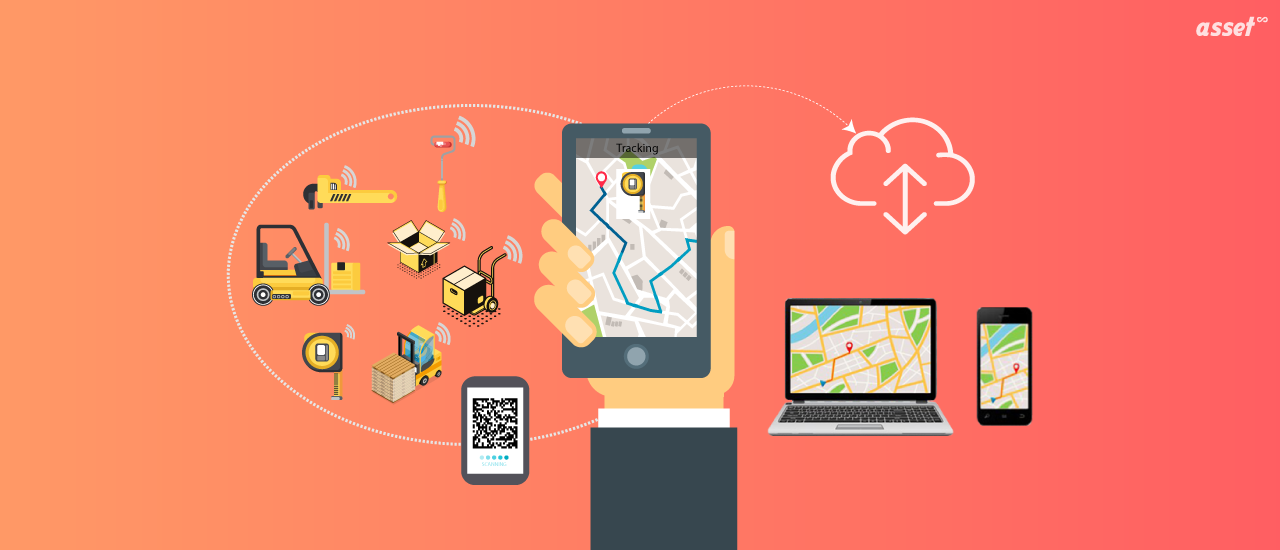
Leased equipment tracking is essential for every company, but it takes time, and many companies do not do it. The result is lower productivity and lower profit.
So it is important to understand what leased equipment tracking is and why every organization should take it seriously.
First, it helps to understand what leased equipment is.
As the name suggests, leased equipment is equipment taken on lease from another organization. Instead of buying equipment, companies rent it.
There are many possible reasons for not buying, such as budget limits, or a project that needs specific equipment only until the project is finished, after which the equipment is returned. That is what leased equipment means.
Leased equipment tracking is the process of keeping track of leased equipment. Both companies can use it: the company that leases the equipment out and the company that takes it on lease.
Also Read: Why Leasing Equipment Is More Beneficial Than Buying It?
Leased equipment tracking matters to both companies. Let’s look at it from both sides, starting with the company that leases out the equipment (the lessor).
A professional lessor may have equipment and items out with many different organizations, so keeping track of each one can be a daunting and hectic task. This is where leased equipment tracking software comes into play.
Relying on a spreadsheet to track assets and equipment, especially when there are hundreds or thousands of them, leads to disorganized and inaccurate records.
Tracking software shows when a lease is expiring, which helps the lessor collect the equipment or renew the lease.
Data tracking is an important part of running any successful business.
If the lessor has a question, they can quickly find the tenant’s contact information in the software.
Accurate tracking of items and equipment is crucial. It produces correct asset reports, which are the basis for income tax and valuation.
The lessor also has to keep track of maintenance to keep the equipment efficient.
With asset tracking, the life of equipment and assets can be extended when maintenance is performed at regular intervals.
The Tenant’s Point of View
If equipment is lost or stolen, it is a heavy loss for the company that took it on lease. Product delivery will be delayed, and the company will have to pay the lessor for the lost equipment. That is why equipment tracking software is crucial.
If the tenant has a question about the equipment, they can find all the contact information in the software.
You do not want to be hunting for equipment documents at the last minute or at a critical moment.
Leasing is an excellent way to get the equipment your project needs. It saves the cost of buying and avoids some maintenance expenses.
Technology changes every day, so leasing equipment is a good option, and it means you always have up-to-date equipment.
Also Read: 15 Useful Asset Tracking Tips to Help You Track Your Assets
What are the benefits of leased equipment tracking?
Some of the benefits are given below.
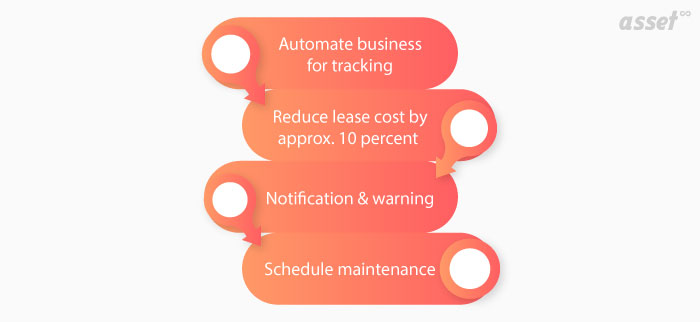
Automate Business for Tracking
With equipment tracking software, you can automate the critical business process of tracking equipment, from the initial contract and booking through to the end-of-term listing and return.
Reduce Lease Costs
Gather all the data about your rented equipment, IT and data center equipment in one central repository. With all the information in one place, you can quickly identify problems and find opportunities to cut costs.
Notification & Warning
Never miss a deadline, with warnings and notifications for return dates and lease renewals. Understand changes in renewal prices, ask for updated equipment if needed, make your decision, and then inform the leasing company.
Schedule Maintenance
Equipment tracking software also lets you schedule maintenance, so you do not have to track each piece of equipment manually. The software sends you maintenance alerts and keeps a record of each piece of equipment to help you make decisions.
Lessors and Tenants Both Need Tracking
Equipment tracking is necessary for both parties, whether you are the lessor or the tenant, and each side has its own advantages and disadvantages. Keep one list of the assets you own and another of leased assets and equipment. If you need help with equipment tracking, Asset Infinity can help. Asset Infinity also provides a mobile app for iOS and Android.
Also Read: 7 Reasons Why Your Company Needs Asset Tracking Software
Frequently Asked Questions (FAQs)

1. What information can I see on the mobile application?
All your critical equipment information is at your fingertips. Track leased equipment with its return due dates, and view warranty information, asset location and more from one simple interface.
2. How many people can access information about any equipment?
Give access to every member of your firm, from maintenance checklists to security access levels, delegate responsibility for assets, and make sure everyone in your plant can play their part. You can restrict users according to their role.
3. For quick Asset Auditing, what techniques can be used?
Use barcode labels for faster audits, and scan equipment with RFID scanners, or barcodes and QR codes on a mobile phone. Durable polyester labels with strong adhesive and permanent ink resist wear.
Scan tags using our Android and iOS apps to cut down your audit times. Create audits based on locations, categories or departments. Asset Infinity helps companies audit on a regular schedule.