






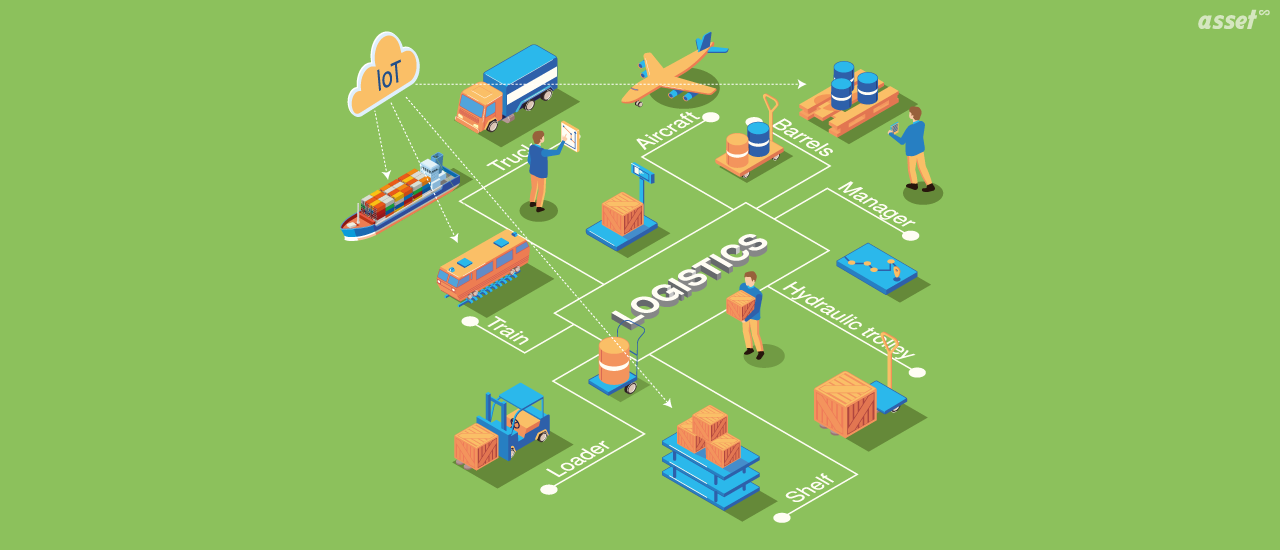
Technology keeps changing at a remarkable pace. Many different technologies are now used for asset tracking and management across industries, and logistics is one of them.
Logistics is one of the largest industries in the world, and it keeps growing.
What Is Logistics?
Logistics is generally the detailed organization and implementation of a complex operation. It is the management of the flow of things between the point of origin and the point of consumption to meet the requirements of customers or corporations.
The resources managed in logistics can include tangible goods such as materials, equipment and supplies, as well as food and other consumable items. The logistics of physical items usually combines information flow, materials handling, production, packaging, inventory, transportation, warehousing and often security.
Also Read: What Is IoT and How Is It Helpful in Asset Management?
Rail, road, water and air are the modes of transport in the logistics industry. The end users of logistics include healthcare, manufacturing, agriculture, government, education, technology, banking, oil and gas, hospitality and more.
What Is IoT?
The Internet of Things (IoT) describes the network of physical objects, which we call “things”. These objects are embedded with sensors, software and other technologies.
The purpose of connecting these objects is to exchange information with other devices and systems over the internet. The devices range from ordinary household objects to sophisticated industrial tools.
IoT technology is proving useful in many sectors, such as transportation, manufacturing and agriculture.
How Does IoT Asset Management Help the Logistics Industry?
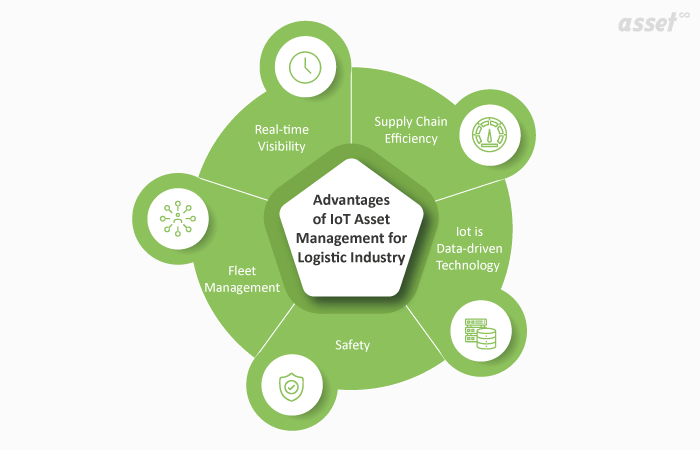
Real-Time Visibility
Whether assets and goods are indoors, outdoors or in transit, IoT can report on them as things happen. That information plays a crucial role in planning what comes next.
Take an agriculture-based organization as an example. As the population grows, so do the demand for and supply of food. Smart farming with IoT is one of the fastest-growing areas.
Also Read: Why Is It Important for Museums to Consider Asset Management System?
Farmers can use this information to improve yields and get a better return on investment. Sensing soil moisture and nutrients, controlling water use for plant growth and deciding which fertilizers suit a crop are some simple and effective uses of IoT technology.
In the same way, IoT can show which stock is selling fastest, which helps you manage assets and grow the business.
Supply Chain Efficiency
The supply chain moves heavy equipment, and that movement has a large carbon footprint. Organizations need to act responsibly and keep track of that equipment. This is another area where IoT can change the way work is done.
IoT sensors and asset management software let organizations track, analyze and monitor supply chain movement at every level. With IoT sensors, it is simple to see where goods are and when they will reach a particular location.
IoT Is a Data-Driven Technology
The use of IoT in business is not limited to technical matters. It can provide insight that improves your ability to forecast demand. Information gathered through IoT can help organizations understand customer behavior, how customers use a product and what they need and ask for.
IoT data can be traced back to the actions that drive buyers. With IoT data, you understand your customers better. It can reveal patterns such as when they buy your product, why they buy it and how they use it. IoT makes it easier for manufacturers and suppliers to see things from the customer’s point of view.
Safety
Keeping assets safe is a big concern. Travel is a large part of logistics, and assets on the road are exposed to accidents. Many roads have no street lights for visibility at night, and poorly maintained streets lead to accidents, injuries and deaths. Road accidents take many lives every year, and the medical costs and property damage add up to very large sums.
Using a mobile phone while driving is a major cause of accidents. Reducing accidents linked to phone use on the road is a goal IoT technology can help with.
Some companies are already working toward this. They use IoT sensors together with mobile phones to monitor driver behavior. Once enough information is gathered, an app can prompt drivers to take care on the road.
Fleet Management
IoT provides accurate data, including information about traffic. With that information, you can plan routes that save fuel and avoid traffic jams.
IoT can also play a crucial role in vehicle maintenance. As mentioned above, IoT is a data-driven technology, and it collects information about vehicle repair and maintenance.
When a vehicle is assigned to an employee, IoT brings transparency. It tracks where the vehicle has traveled, so you can tell whether it was used for personal trips or other purposes.
Also Read: Mobile Device & Asset Management Check-List for It Managers
Why IoT Asset Management Suits Logistics
IoT is a powerful technology. It collects and analyzes data through its sensors, and IoT asset management can be very helpful to a logistics business precisely because it is data-driven.
It can help you overcome several problems, such as maintenance, compliance and asset tracking, and support growth once it is in place. If you need help implementing this technology, contact us.