






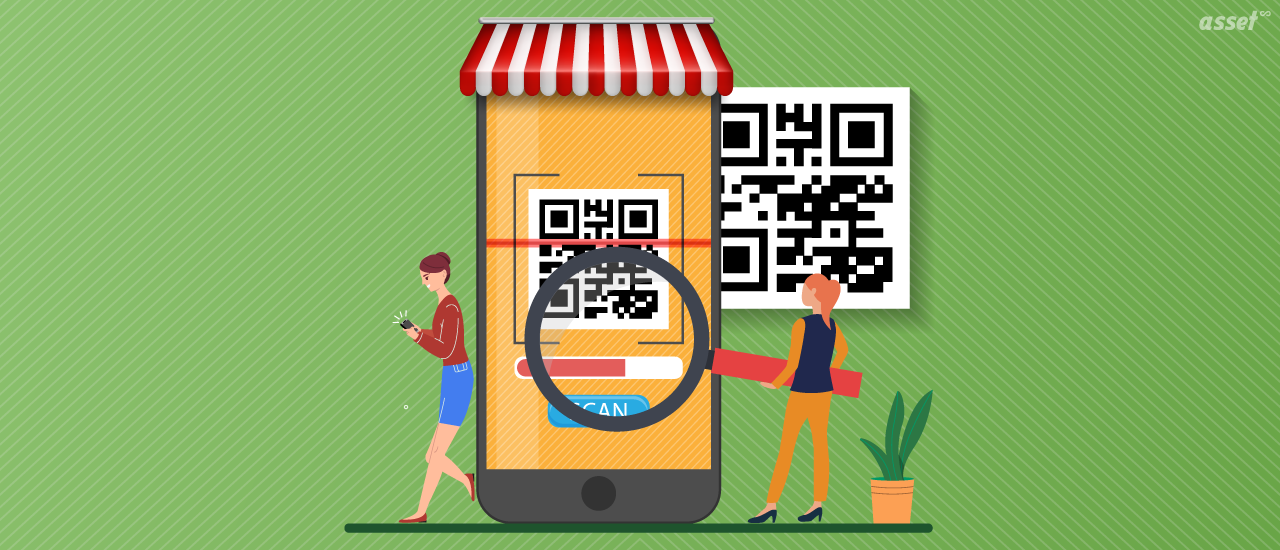
The QR code is a popular technology whose use keeps growing. It acts as a connector between the physical world and the web.
QR codes are among the best-known tools businesses and brands of all sizes use for tracking items and for marketing.
From small retailers to big brands, QR codes interest every category of business. A QR code gives an edge to the customer experience a brand provides.
10 Ways QR Codes Have Been Put to Clever Use
1. QR Codes on Bus Stops, Train Stations, and Subway Stations
At the bottom of the timetable at many stops, there is a card with a QR code or NFC icon. A quick scan with your smartphone gives you real-time information about the arrival of your bus, train or subway.
2. Next to Paintings and Sculptures at Museums
Museums often use QR codes to offer visitors a multimedia experience. An exhibit label can show only limited information, but through a QR code a museum can offer video, data, pictures, audio or a combination of media.
3. E-learning
QR codes are placed on e-learning course screens so learners can scan and download supplementary or reference material such as a glossary, job aids and references, and view additional information like history, timelines, podcasts, webinars and detailed instructions.
Also Read: Why QR codes are still trending
4. Buying Coffee
Coffee chains print QR codes on everything from flyers, magazines and newspapers to outdoor ads to drive downloads of their mobile apps.
People scan the QR code and land on a mobile page where they can watch a video, find the nearest store, learn about more coffee products, see the menu, check their card balance and more.
5. On Jewelry
Gem grading laboratories can provide QR codes on certified jewelry. The code links to the item’s unique grading report, which can be viewed easily on a smartphone.
With such a code, grading information such as the 4Cs (cut, color, clarity and carat) and the authentication of precious metals is available directly to consumers, assuring them of an item’s quality.
6. On Bottles and Cans
QR codes on bottles and cans give information about artificial sweeteners if used, the number of calories in a drink, sustainability information and carbon emissions. This is the kind of general information you can pull from a QR code with a scan.
Drink makers have used QR codes on labels to provide nutritional information as a PDF.
Also Read: How can you use QR code technology in your business?
7. On the Flyers
Restaurants put PDF QR codes on flyers so people can scan them to get the online menu. Similarly, coupon QR codes are used for discounts and sales promotions, event QR codes for details of an upcoming event, and social media QR codes to grow followers.
8. On Scratch and Win Cards
“Scratch and win” has turned into “scan and win” with QR codes. Shops and restaurants run marketing campaigns online and in outlets, releasing QR codes that people scan to get a mobile coupon.
When customers then buy the product, they can win cashback, a percentage off, or buy one get one free. This drives customer engagement, increases sales and gives you useful data about your target customers.
9. On Movie Posters
You may have noticed QR codes on movie posters. If you have scanned them, you know what they are for, and if not, it is worth trying. QR codes on posters provide details about prices, discounts, contact numbers and dates.
10. On Business Cards
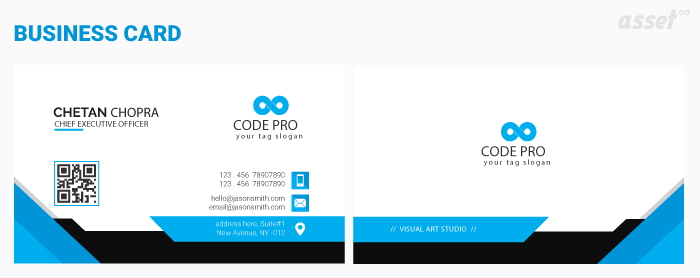
Scannable QR codes are now placed on business cards to catch the eye and stand out from the crowd. Through a QR code on a business card, you can direct clients straight to your online resume (your LinkedIn page or website), show off your work and more.
Candidates can also put a personalized QR code on their resume that links to their projects, references or other relevant material.
Trending Alternatives of QR Codes
QR codes are widespread, popular and in demand. Still, some newer technologies are taking their place for certain uses.
Depending on your needs, you can use the following alternatives to QR codes:
NFC Technology
Like QR codes, NFC tags do not require a separate app to read. Recent iPhones and most Android phones can read NFC tags.
NFC offers benefits in many settings, such as:
- Getting information by touching smart posters.
- Using an NFC phone as an event ticket.
- Setting up a wireless home office with a touch.
- Printing from a camera by placing it close to the printer.
- Getting on the bus by waving your NFC phone.
- Sharing a business card with a touch.
- Paying for goods with a tap of an NFC phone.
Beacon Technology
BLE (Bluetooth Low Energy) devices exchange a small amount of data at regular intervals. BLE is a relatively recent technology, introduced with Bluetooth 4.0. With BLE beacons (or tags) and receivers (or smartphones), you can track and monitor your assets outdoors as well as indoors.
BLE conserves energy and can run for a long time. A BLE beacon can trigger a notification on your smartphone and wake up your beacon-aware app.
The advantages of Bluetooth are:
- Low power consumption
- Useful for transferring small amounts of data
- BLE devices are dependable to operate
- BLE is cost-effective
- Almost every smartphone has Bluetooth built in
Geofencing
Geofencing is a location-based service that picks up your phone’s GPS position. When you are within the borders of a geofence, the system recognizes that you are in the right location and lets you check in and out with the push of a button.
Retailers use geofencing apps to send relevant notifications to customers when they are near their stores. An app download QR code can encourage users to install the beacon or geofencing app.
Also Read: 6 Beneficial Use-Cases of QR Code Technology
Small Codes, Many Uses
QR codes are a simple, economical way to pack more data about your business, products and services into a small space. QR code technology is relevant in any industry. The work lies in figuring out how to use it to make your business more productive.
QR codes are also built into our asset management software, where they help organizations track and maintain their expensive assets.