






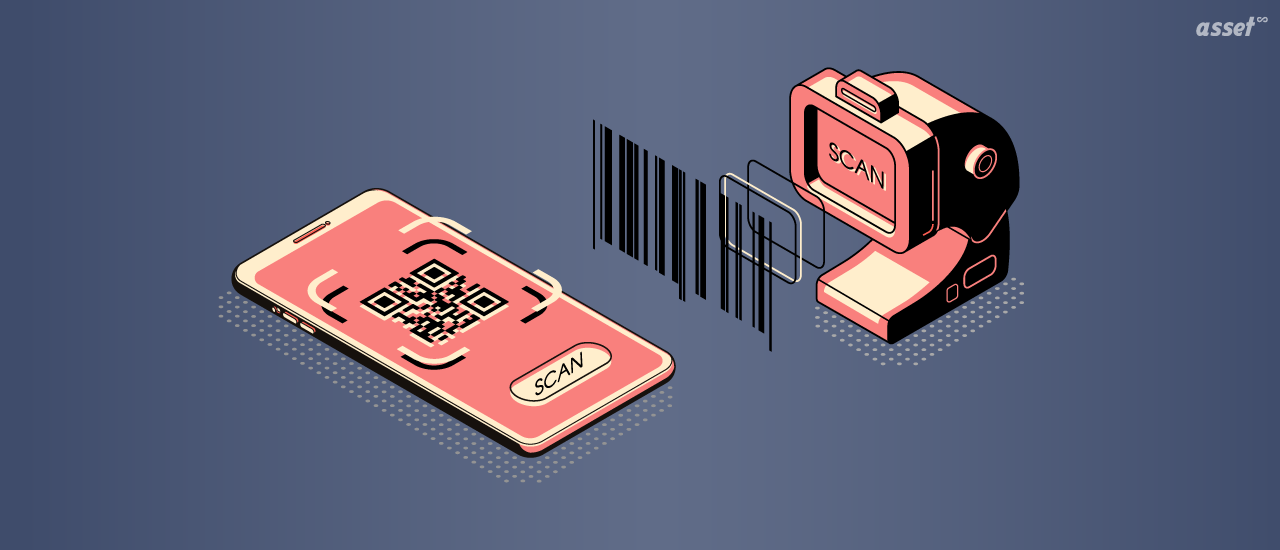
Why barcode asset tracking? Why QR code asset tracking?
What is the difference between a barcode and a QR code?
Does it make any difference to asset tracking whether you use barcodes or QR codes?
These questions come to mind for anyone who hears about asset tracking with barcodes and QR codes.
A QR code is a type of barcode. That fact is the starting point.
Barcodes are machine-readable codes that hold information about the item they are attached to.
What Are Barcodes?
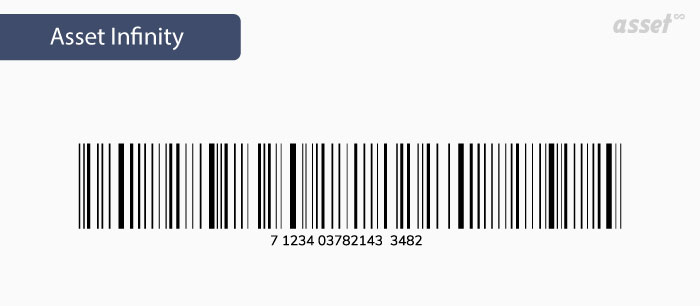
A barcode represents data about the item it is attached to in a visual, machine-readable format. A barcode represents data through the varying widths and spacing of parallel lines.
Today, the classic barcode is called a linear or one-dimensional code, which is read by barcode scanners.
Matrix or two-dimensional codes were developed later.
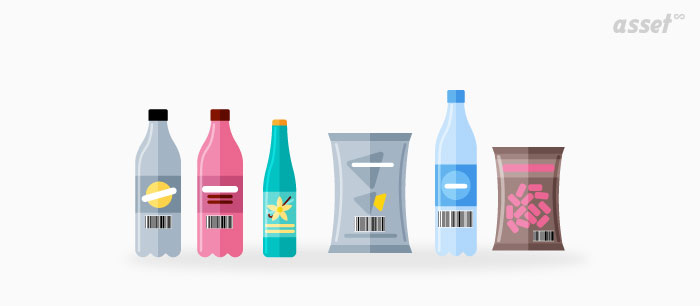
Barcode tags contain important information such as customer or item identification, pricing, tracking information and more. This information can only be read by a barcode reader.
Advantages of Barcodes
Barcodes are used around the world for several advantages:
- Relatively inexpensive
- More accurate inventory management
- Fast and efficient operations
- Lower manual labor costs
- Better inventory control
- A faster supply chain
Asset Tracking with Barcodes
Here are some benefits of a barcode system that make it cost-effective for asset tracking:
- Greater accountability
- Fewer errors
- Data storage
- Scheduled maintenance
- Accurate, up-to-date asset location
- Less manpower
- Simpler record-keeping
- Little time needed for employee training
Also Read: RFID vs NFC: How They are Different in Terms of Asset Tracking?
What Are QR Codes?
Two-dimensional variants of barcodes use patterns other than bars, such as squares, dots, hexagons and other geometric shapes. They are called matrix codes or 2D barcodes. The QR code was developed in 1994.
2D barcodes can be read by apps on mobile devices, such as smartphones with built-in cameras.
QR code (Quick Response code) is the trademark for a type of matrix or 2D barcode.

Because a QR code is a type of barcode, it also represents data about the item it is attached to in a visual, machine-readable format.
The QR code uses four standardized encoding modes (numeric, alphanumeric, binary and kanji) to store data efficiently.
QR codes are used for inventory tracking, sales records, supply chain management, mobile marketing and logistics.
Advantages of QR Codes
QR codes are newer than linear barcodes and more advanced. Some of their advantages:
- Can be scanned with a smartphone
- Versatile: can encode almost any type of data, such as numbers, letters, special characters and binary
- Very fast scanning
- Good fault tolerance: if part of the code is damaged, the information can still be decoded
- Stores a large amount of information
Asset Tracking with QR Codes
QR codes are the successors to barcodes and have grown in popularity in recent years. There are several reasons QR codes are often the better choice:
- Versatile
- Used for almost anything
- Scan a QR code and store information
- Wide exposure
- Potential to generate revenue
QR codes can be added to any platform and can store the following information:
- Product details
- Offer details
- Event details
- Contact details
- Competition details
- Coupons
- Social media IDs
- A link to your YouTube video
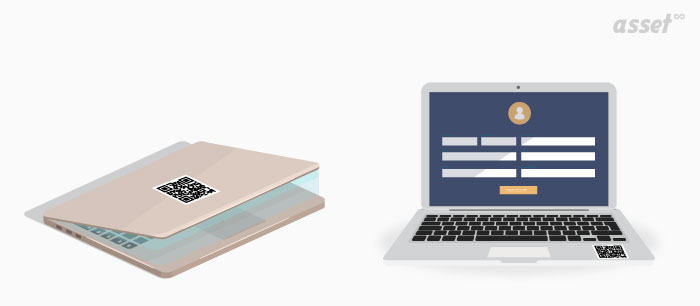
Here are some points that explain why QR codes suit asset tracking:
- Store much more data than linear barcodes.
- Can be scanned from any direction, at any angle up to 360°.
- Easier to read and decode.
- Less risk of interference from the background.
Also Read: How Effective Barcode Tags Are for Asset Tracking Management?
What Is the Major Difference Between a Barcode and a QR Code?
Everybody goes shopping and buys things. Whether they realize it or not, everyone has seen barcodes, because almost every product package carries a barcode label.
As for QR codes, many of you will have seen them on visiting cards, resumes, WhatsApp, boarding passes, business cards, Google Pay and more.
Both do the same job: they hold information about an item or product. Still, there are differences between barcodes and QR codes in how they store information and how it is read by scanning.
Here are the points on which barcodes and QR codes differ:
1. Appearance
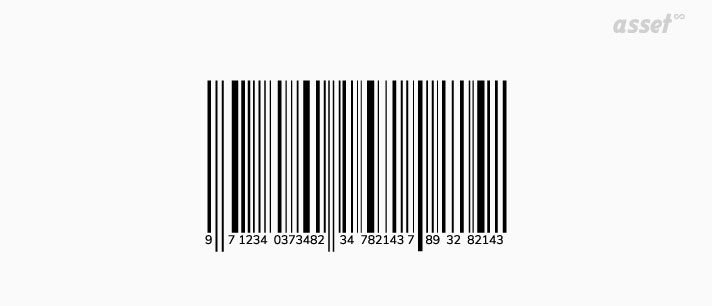
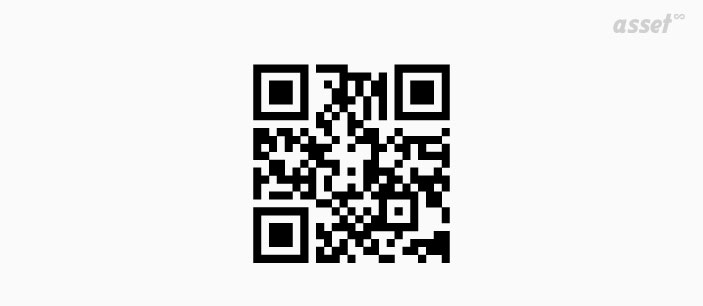
Barcodes and QR codes look very different from each other.
Barcode: A first-generation linear or 1D barcode, made of lines and spaces of varying widths that create specific patterns.
QR code: A newer matrix or 2D barcode, made of squares, dots and other geometric patterns.
2. Information Holding Capacity
They look different, and they also store different amounts of data.
Barcode: A linear barcode holds a small number of characters, and as the data grows, the barcode gets longer. A barcode can store a description, item identification, pricing, tracking information and so on.
QR code: A QR code can hold thousands of characters of encoded data. It is used for inventory tracking, sales records, supply chain management, mobile marketing and logistics.
An added benefit of QR codes is that they can encode links.
3. Error Correction
Barcodes and QR codes handle damage very differently.
Barcode: Linear barcodes are less tolerant of damage and printing defects, because they lack redundant encoding and error correction codes. If two bars run together or one bar is erased, the barcode may become impossible to decode.
QR code: The great advantage of a QR code over a first-generation barcode is error correction, which ranges from about 7% to 30% depending on the level chosen. A QR code can restore its data even if it is dirty or damaged.
4. Readability
How a code is scanned and read depends on its appearance and the amount of data it stores. Both barcodes and QR codes work well in a variety of automatic identification applications.
Barcode: Linear barcodes hold just a few dozen characters. Barcode scanners read them horizontally without direct contact, as long as the scanner is within range.
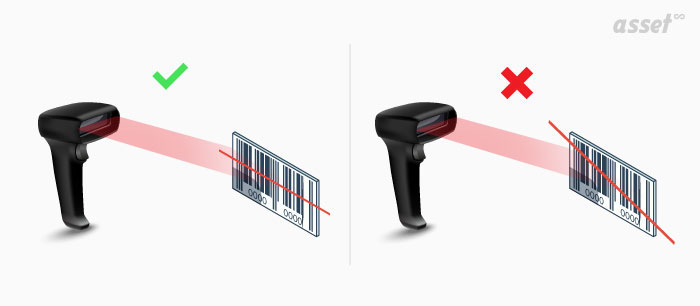
QR code: QR codes hold more data than barcodes while staying physically small. The data is encoded in both the vertical and horizontal arrangement of the pattern, which is what makes it 2D.
You can use the information whether or not you are connected to a database, and QR codes can be read from any angle, which gives users more flexibility.

Choosing Between a Barcode and a QR Code
When selecting a barcode system for an application, you need to know which types of barcode you need and the conditions of the working area, so that you can make an informed choice.
Many barcode symbologies are available, but they all fall into two general categories: linear or 1D barcodes, and matrix or 2D barcodes.
The type of barcode to use depends on the application. Linear barcodes tend to suit data that changes often, such as the price and quantity of items, where the code points to a database record.
QR codes are used where database connectivity might not be available, where space is limited, and where a large amount of data is needed.