






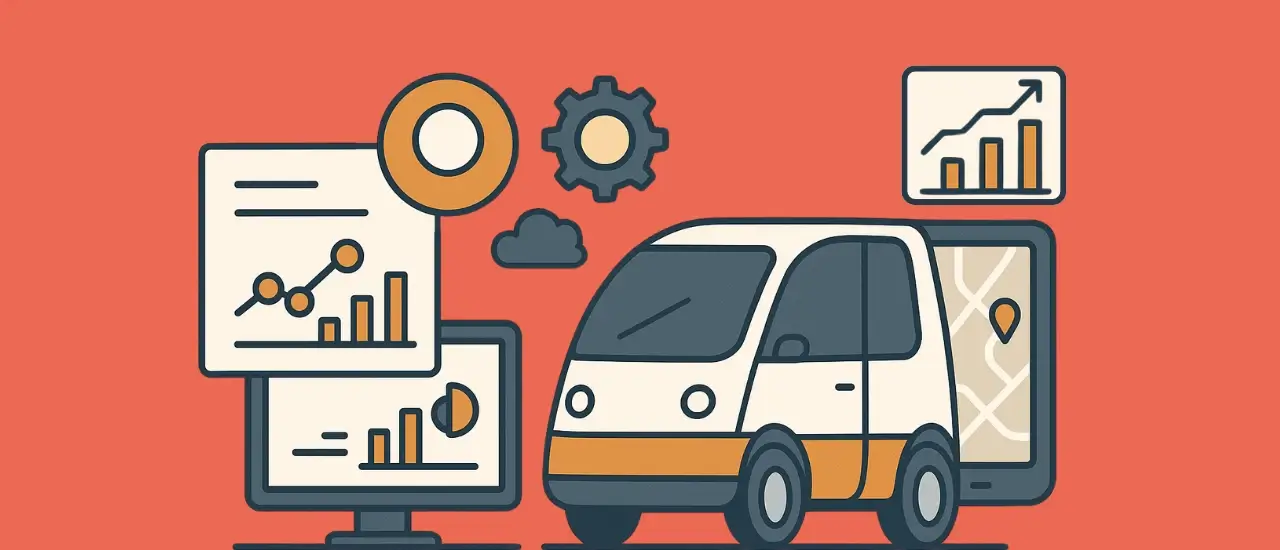
Autonomous technology is changing how we approach logistics, work environments and delivery systems. Among the most exciting developments are autonomous pods: compact, smart, mobile units that can work with minimal or no human intervention. Whether deployed as last-mile delivery vehicles, remote workspaces or mobile retail hubs, these pods are becoming part of tomorrow’s infrastructure.
As these pods multiply across industries, tracking, monitoring and optimizing their performance in real time has become crucial. With advances in GPS, IoT, AI and cloud technology, businesses can now manage fleets of autonomous AI pod systems from central platforms. The efficiency of these systems depends heavily on having dependable asset tracking software and asset management software in place.
This post explores the key parts of managing autonomous pods in real time, the technology involved, the challenges, and how tools like Asset Infinity help businesses monitor and maintain pods at scale.
What Are Autonomous Pods?
Autonomous pods are self-contained, AI-enabled units that can perform specific tasks without continuous human supervision. They come in various forms and serve multiple use cases, including:
- Last-mile delivery pods: Used for transporting parcels, groceries and essentials to customers.
- Autonomous work pods: Smart workspaces deployed in public areas or offices for private, mobile productivity.
- Autonomous AI pods: Used in research, surveillance or maintenance, often fitted with sensors and data collection capabilities.
These pods are often powered by AI algorithms, equipped with navigation tools and connected to cloud networks that allow remote oversight. Like the dark stores model, autonomous pods prioritize speed, efficiency and less reliance on manual labor.
To manage their operations, businesses deploy pod autonomous solutions that include hardware sensors, real-time monitoring systems and backend platforms for data analysis. Asset Infinity’s asset tracking can support many of these.
Real-Time Tracking of Autonomous Pods
Managing autonomous pods across large areas or changing delivery routes requires precise tracking. Real-time tracking makes every pod’s location, task progress and system health visible at any moment.
1. GPS and Geo-Fencing
Real-time GPS tracking lets operators monitor each pod’s location and set geofences, virtual boundaries that trigger alerts when a pod enters or leaves an area. Asset Infinity’s GPS asset tracking can alert you when a tracked asset leaves a site, so you can respond quickly to unauthorized movement.
2. Movement and Task Updates
Each autonomous pod has an assigned task, such as delivering a parcel, collecting samples or serving as a workspace. Real-time tracking systems update the pod’s progress, status and any exceptions, such as a blocked path or a low battery.
Asset Infinity keeps an audit trail on every record, giving you a time-stamped history for operational oversight and review after an event.
3. Environmental Monitoring
Temperature, humidity and other environmental readings are especially important in delivery pods carrying sensitive goods like food or pharmaceuticals. Sensors can send these readings to Asset Infinity, and a reading outside its limits can raise an alert or a work order.
4. Mobile Access
Pod operators and field teams can use Asset Infinity’s mobile app to check pod status and receive notifications on the go, so issues can be dealt with wherever the user is.
Tools and Technologies Behind Real-Time Pod Management
Tracking and optimizing autonomous pods involves a complex set of technologies. Below are the key components that work together to make real-time management possible:
1. IoT-Enabled Asset Tracking Software
IoT devices built into pods collect data on movement, environment and usage. Asset Infinity can take in sensor readings over MQTT or HTTPS and data from other systems through its API, so readings such as battery level or internal temperature sit on the pod’s record.
2. AI and Machine Learning
AI algorithms analyze historical and real-time data to improve pod performance. For example, an autonomous AI pod can use past delivery times and current traffic data to reroute itself. In maintenance, condition monitoring helps teams service components before they fail.
3. Cloud Connectivity
Pod data is stored and processed in the cloud, keeping devices and systems in sync. A cloud platform lets you manage the whole pod fleet from one place.
4. RFID and QR Tagging
Pods often carry internal assets such as cooling systems, communication modules or removable storage bins. With QR or RFID tagging in Asset Infinity, these components can also be tracked for usage, damage or inventory purposes.
5. Maintenance Scheduling and Automation
Autonomous pods need regular checks, such as software updates, cleaning or hardware inspections. Asset Infinity schedules preventive maintenance, assigns tasks to the right people and keeps work on track with checklists.
Challenges in Tracking and Optimizing Autonomous Pods
The technology is promising, but real-time tracking and optimization of autonomous work pods and delivery units bring their own challenges.
1. Data Overload
Autonomous pods generate large amounts of data, from GPS coordinates and battery status to environment readings and error logs. Without filtering and prioritization, this data can overwhelm operations teams.
Dashboards, filters and alerts help here, so only the most important information reaches people quickly.
2. Connectivity Limitations
In areas with weak or no network coverage, pod tracking may be delayed or inaccurate. Reliable cloud communication is essential for consistent oversight.
Asset Infinity’s mobile app works without a signal and syncs when the connection returns, so field teams can keep recording work.
3. Multi-Pod Coordination
When managing fleets of pods, coordinating tasks, routes and resources becomes complex. Without the right software, overlaps and inefficiencies occur.
Asset Infinity supports bulk transfers, parent and child assets, and fleet maintenance, which make coordination easier and reduce the management burden.
4. Equipment Failures
An internal component like a cooling unit or robotic arm failing mid-route can derail a pod’s task. Without predictive tools, such failures are hard to prevent.
With condition monitoring in Asset Infinity, a sensor reading that crosses its limit raises an alert and can open a work order, so maintenance can start before a failure.
The Future of Autonomous Pod Management
As industries move toward automation, autonomous pods will see growing adoption across retail, logistics, healthcare, agriculture and urban planning. As AI, robotics and edge computing mature, these pods will do much more than delivery and mobility.
1. Increased Use in Smart Cities
Autonomous work pods can act as mobile offices, public service kiosks or medical testing centers in smart city projects. These units need dependable tracking for security, good use and uptime, which asset tracking software provides.
2. AI-Driven Optimization
Pods will become better at diagnosing and adjusting themselves. From real-time route changes to automatic load balancing, AI will be central.
3. Integration with Dark Stores and Micro-Hubs
As part of the broader dark stores model, autonomous delivery pods will act as mobile extensions of micro-fulfillment centers, picking up items and delivering them to consumers.
These connected systems will need a central platform to manage assets across stores and pods. Asset Infinity’s multi-location asset tracking and verification rounds are suited to this kind of setup.
4. ESG and Sustainability Compliance
Sustainability is becoming a priority. Pods running on clean energy, with their carbon impact tracked, will support ESG goals.
Asset Infinity’s energy management tracks use, cost and emissions by site, meter and asset, which supports long-term environmental accountability.
Pods Need the Same Tracking and Care as Any Fleet
Autonomous pods are opening a new era in logistics, workspaces and smart cities. Their success depends on robotics and AI, and just as much on good tracking, continuous monitoring and data-driven decisions.
Asset Infinity gives businesses tools to manage these sophisticated assets: GPS tracking, sensor readings, tagging and scheduled maintenance. Whether it’s an autonomous delivery vehicle or a mobile workspace, you can see where each pod is and what it needs.
As the world adopts autonomous systems, dependable asset management software and asset tracking software will separate pods that perform from pods that fail to deliver.
FAQ
Can autonomous pods operate without human intervention?
Yes, many autonomous pods are designed to work independently using AI and sensor data. However, they still need remote monitoring, periodic maintenance and real-time tracking for safety and reliability. Tools like Asset Infinity help manage these operational layers.
How does AI help in optimizing autonomous pod performance?
AI helps by analyzing real-time data from pods, predicting maintenance needs, optimizing routes and adjusting tasks. Condition monitoring in Asset Infinity raises alerts and work orders from sensor readings, which helps reduce downtime.