






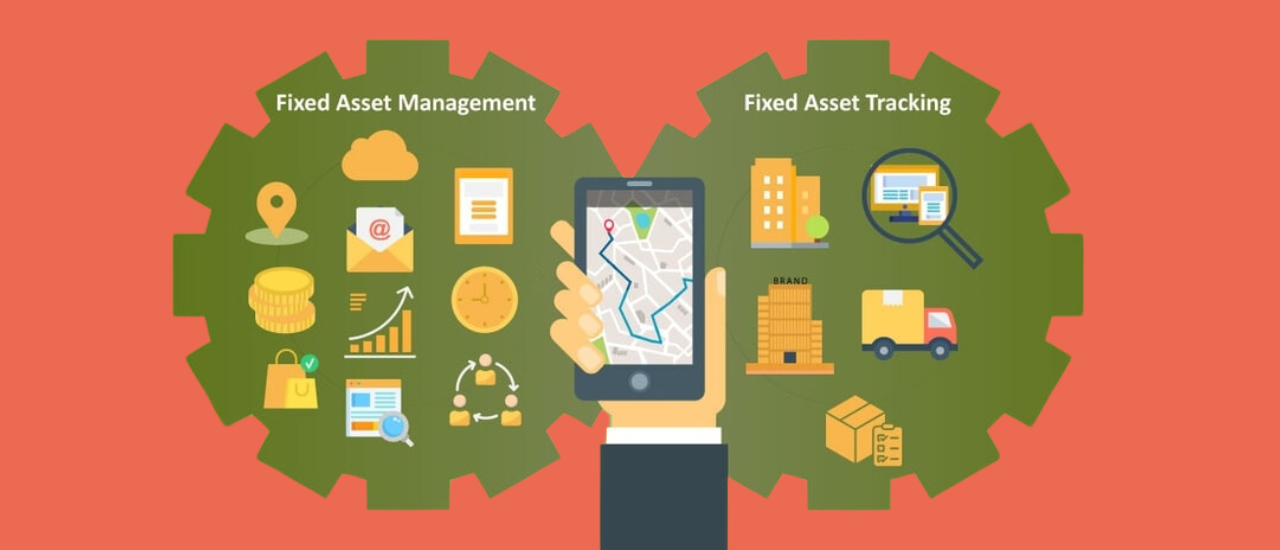
Fixed asset tracking vs asset management comes down to scope. Fixed asset tracking tells you where each long-term asset is, who has it and what condition it is in. Asset management covers everything that happens to the asset over its life: buying it, maintaining it, depreciating it, counting it and finally disposing of it. Tracking is one part of asset management, and most businesses need both.
The two terms get used interchangeably, which causes confusion when a team goes shopping for software. A tool that only tracks locations will not run depreciation or plan maintenance, and an accounting module will not tell you which floor a laptop is on. This guide explains each term, compares them side by side, covers what fixed asset tracking software does in different industries, and shows what to look for in an asset management system that does both.
What is fixed asset tracking?
Fixed asset tracking is the process of recording where each fixed asset is, who is responsible for it, what condition it is in and how it moves between sites, using a unique tag on every asset and a scan each time it is checked. Barcodes, QR codes, RFID and GPS are the common methods.
A fixed asset is a long-term tangible asset a business owns and uses to earn income, and does not expect to use up or turn into cash within a year. Buildings, machinery, vehicles, furniture and IT equipment all qualify. On the balance sheet they appear as property, plant and equipment (PP&E), and they are also called capital assets, which is why buyers search for both fixed asset tracking software and capital asset tracking software.
What is asset management?
Asset management is the coordinated work of acquiring, using, maintaining and disposing of an organization’s assets so they deliver the most value at the lowest total cost over their life. It joins the physical record (where it is, what state it is in) with the maintenance record (what was done to it) and the financial record (what it cost and what it is worth now).
An asset management system is the software that holds all three. It keeps an asset register, schedules maintenance, tracks depreciation, runs physical verification and reports on cost and condition. Fixed asset tracking is the part of that system that keeps the location and custodian fields true.
Fixed asset tracking vs asset management: side by side
| Factor | Fixed asset tracking | Asset management |
|---|---|---|
| Main question | Where is it and who has it? | What is it worth, what does it cost to run, and when do we replace it? |
| Scope | Location, custodian, movement and condition | The whole life cycle, from purchase to disposal |
| Asset types | Tangible fixed assets | Tangible assets, and in wider definitions intangible ones too |
| Core tools | Tags, scanners, mobile app, GPS | Asset register, maintenance plans, depreciation books, reports |
| Main users | Operations, facilities, IT, auditors | Finance, maintenance, operations and leadership together |
| Maintenance | Shows condition, does not plan work | Plans preventive work and records repairs |
| Finance | Supports the count behind the books | Runs depreciation, revaluation and disposal gains or losses |
| Typical result | Fewer lost assets and faster audits | Lower cost of ownership and better replacement decisions |
The practical answer to fixed asset tracking vs asset management is that tracking produces the facts and asset management uses them. A depreciation schedule built on a register nobody has counted is a guess. A perfectly tracked asset that nobody maintains still fails early.
Fixed vs current assets
Fixed asset tracking only applies to fixed assets, so it helps to know where the line sits.
| Point | Fixed (non-current) assets | Current assets |
|---|---|---|
| Time horizon | Used for more than a year | Used up or turned into cash within a year |
| Examples | Buildings, machinery, vehicles, computers, furniture | Cash, receivables, inventory held for sale |
| Value on the books | Cost less accumulated depreciation (net book value) | Cost, or market value where lower for inventory |
| How they are tracked | Individually, with a tag and an asset number | Usually by quantity, in stock records |
What fixed asset tracking software does
Fixed asset tracking software gives each asset a record and a tag, then updates the record every time someone scans it. The advantages show up in a few places.
- Fewer lost and stolen assets. When every asset has a custodian and a last-seen location, a missing laptop or tool is noticed within days, not at year end.
- No more ghost assets. A ghost asset is still on the books but no longer exists, because it was lost, stolen or scrapped without a record. Regular counts against the register find them, so you stop paying tax and insurance on things you do not own.
- Faster, more accurate audits. Scanning tags replaces reading serial numbers off a printout, and the differences arrive as a list to resolve.
- Better use of what you already own. Knowing what sits idle at one site stops another site buying the same thing.
- Maintenance on time. Linking tracked assets to maintenance plans means service is due by date or by meter reading, and nobody depends on memory.
- Less paperwork and fewer typing errors. One digital record replaces spreadsheets and paper forms that drift apart.
How to track fixed assets in five steps
- Set your capitalization policy. Decide which items count as fixed assets, usually by a dollar threshold and a useful life of more than a year.
- Build the register. Record each asset with a permanent asset number, description, category, serial number, location, custodian, purchase date and cost.
- Tag every asset. Choose barcode or QR labels for most items, RFID where you need to read many tags at once, and GPS for vehicles and equipment that move between sites.
- Record every change when it happens. Moves, transfers, repairs and disposals go into the register at the time, by scanning, not at the end of the quarter.
- Verify on a schedule. Count each site at least once a year, and high-value or easily moved items more often, then resolve every asset that was not found or turned up somewhere unexpected.
Fixed asset tracking by industry
The method is the same everywhere. What each industry tracks first differs.
Oil and gas
Pumps, heat exchangers, boilers, vessels and pipeline equipment sit at remote sites. Tracking ties each item to its location and its maintenance history, so a breakdown at a field site does not start with a search for the asset’s records. See maintenance for oil and gas.
IT teams
Laptops, servers, network gear and phones move constantly and are easy to lose. IT teams combine tags with network discovery so the register knows what is plugged in, who holds each device and when its warranty ends.
Healthcare
Hospitals track beds, wheelchairs, infusion pumps, imaging equipment and ventilators across wards. Barcode or RFID tags let staff find equipment quickly and show when it is due for inspection. See asset management for healthcare.
Manufacturing
Plants track production machines, tools and molds. Accurate tracking supports audits, reduces repeat purchases of tools that are only misplaced, and feeds preventive maintenance. See asset management for manufacturing.
Hospitality
Hotels track furniture, kitchen equipment, HVAC plant, chillers and fitness equipment across many properties. Tagging makes room-by-room counts quick and shows which items are near replacement.
What to look for in an asset management system
If you are choosing one system for fixed asset tracking and asset management, check that it does both halves well.
| Capability | Why it matters |
|---|---|
| Asset register with custom fields | Every other feature depends on clean asset records |
| Tag printing and scanning (barcode, QR, RFID) | Scanning keeps locations and custodians current |
| Mobile app that works offline | Counts happen in basements and remote sites |
| Moves, transfers and disposals | The register must follow assets between sites and out of the business |
| Physical verification rounds | Finds ghost assets and proves existence to auditors |
| Depreciation in more than one book | Finance needs book and tax figures from the same register |
| Maintenance plans and work orders | Tracked assets still need servicing |
| Audit trail and reports | Auditors need to see who changed what, and when |
How Asset Infinity handles both
Asset Infinity is a fixed asset management software and asset tracking system in one, so the count and the books come from the same record.
- Register. Each asset in the asset register has a number from a series you control, such as AST-0099, plus category, site, location, custodian, serial number, purchase cost, warranty expiry and status. The Import screen checks every row of your spreadsheet before it writes anything.
- Tag. Assets can carry QR, barcode, NFC, RFID or BLE tags, and the label designer prints them. See asset tags.
- Move and dispose. Moves and bulk transfers keep locations current. A disposal records the reason (sold, scrapped, lost, donated or transferred), the sale price and the gain or loss per book.
- Verify. Verification rounds can be full, sample, targeted or self-audits. Scanning in the mobile app marks each asset verified, moved, not found or damaged, with a condition of good, fair, poor or unserviceable. The asset inventory software page shows a first full count.
- Depreciate. Straight-line, declining balance, units of production and rate tables, including MACRS GDS and ADS, in as many books as you need. Try the MACRS depreciation calculator to see how a rate table works.
- Report. Standard reports include the asset register, asset movement history, verification results, depreciation register and book value by asset class.
Frequently Asked Questions
Is fixed asset tracking the same as asset management?
No. Fixed asset tracking records where assets are and who has them. Asset management also covers maintenance, depreciation, verification and disposal over the asset’s whole life.
What is capital asset tracking software?
It is another name for fixed asset tracking software. Capital assets and fixed assets both mean long-term tangible assets recorded as property, plant and equipment.
What technologies are used for fixed asset tracking?
Barcode and QR labels for most assets, RFID where many items must be read quickly, NFC for tap-to-identify, and GPS for vehicles and mobile equipment.
How often should fixed assets be verified?
At least once a year for the whole register, and more often for high-value or portable items such as laptops and tools.
What are the three main types of asset management?
Physical asset management covers tangible assets such as machinery and buildings. Financial asset management covers investments such as stocks and bonds. Intangible asset management covers items such as patents and software.