






There are many organizations that run their business by providing tools, assets, and equipment on lease. It is important for these companies to keep track of their fixed assets so that they can replace assets in time and avoid wasteful expenses.
That makes an asset audit of rental assets crucial. It helps manage tools, assets, and equipment better and identifies problems on the rental side of the business. When you have the information you need, you can use it to improve your business.
Why Is an Asset Audit Important?
Audits are important for the smooth running of a business. They bring organizations several advantages, such as more effective work processes and better-informed management. Here are some significant reasons why assets have to be audited periodically:
- Recognize bottlenecks and improve how efficiently assets operate
- Minimize mismanagement of resources
- Improve the reliability of the figures the organization reports
- Increase transparency for investor trust
- Avoid paying taxes on ghost assets
- Make better decisions about asset retirement and acquisition
What Issues Do Equipment and Tool Rental Companies Face?
A rental company faces several issues, especially when it comes to auditing its assets.
- Equipment is distant
When you rent your equipment to another company, it is essential to keep track of it. Otherwise, a complete and effective asset audit is not possible.
- Depreciation calculation
Depreciation is an accounting process by which a company allocates an asset’s cost over its useful life. In other words, it records how the value of an asset declines over time.
Depreciation is an important part of auditing. When relevant data about an asset is not available, it is not possible to calculate depreciation correctly.
- No communication
Asset auditing is not a one-person job, so communication has to be consistent. The team at the company leasing the asset also has to work with the team that owns it.
- Mis-calculating asset life
If an organization does not have asset management software, asset life is not calculated accurately. This results in early disposal of an asset or its overuse, and neither is desirable for the organization.
That is why asset life cycle management is important. It covers monitoring, controlling, and managing assets from procurement until disposal at the end of their life.
- Ineffective & long process
Without asset management software, the process becomes long-winded, because no exact information about assets, equipment, or vehicles is available.
- Problem with clients
When you lease out an asset, it is important to sign a contract with the user and monitor the asset from your end so the client returns it on time. There are penalty clauses in contracts to impose penalties on repeat offenders.
What Are the Objectives of Auditing?
Some of the main objectives of an audit are as follows:
- Assess the effectiveness of controls for monitoring and recording tangible assets
- Ensure that the inventory of capital assets on hand is complete
- Confirm that controls are in place to safeguard assets from theft or unauthorized use
- Confirm that effective procedures are used to determine assets’ value, including improvements, amortization, and the estimated useful life of capital assets.
- Proper handling of transactions from an accounting point of view
- Proper reporting of inventory
Also Read: 5 Common Asset Tracking Issues That Need to Be Addressed
Why Is Asset Verification Important in Auditing?
Many private and government organizations perform a yearly physical check of their fixed assets to confirm that the assets actually exist. It also helps confirm that financial records and values are accurate.
The asset audit is not complete without asset verification. An auditor can verify whether the assets reported on the balance sheet are correct. There are numerous procedures that can assist the auditor to verify assets and liabilities.
Since assets are bought to run a business properly and efficiently, it is important to value assets and liabilities correctly and to detect any fraud, errors, or missing assets.
How Does Asset Management Software Help?
Without proper asset management software, an asset audit can be long, hectic, and error-prone work. With the software, it becomes simpler and quicker, because the audit is planned and tracked in the system.
Fixed asset management software makes an asset audit much simpler. It provides complete asset data along with other relevant information, such as warranty and contract expiry dates.
Auditing is very important for verifying which assets the organization owns and where they are. It also plays a crucial role in computing taxes. The software helps schedule audits, set their time frames, and follow their progress.
The check-in and check-out feature improves accuracy and reduces the time spent handing assets out and receiving them back. Any asset can be searched by its name, tag, serial number, custodian, and more.
You can get answers to all such questions as to which asset is rented to which organization? What is the expected return date? What is the current status of every asset?
With asset management software, you can study trends in your most-used assets, such as which equipment clients ask for most. When you know how your rental equipment is being used, you can offer better customer service and support. Rental companies can also use the software to track which assets are out, with whom, and when they are due back.
Generally, audit reports for rental assets are produced annually to help stakeholders and the Management Board to assess the integrity of data and maintain the authenticity of financial reports.
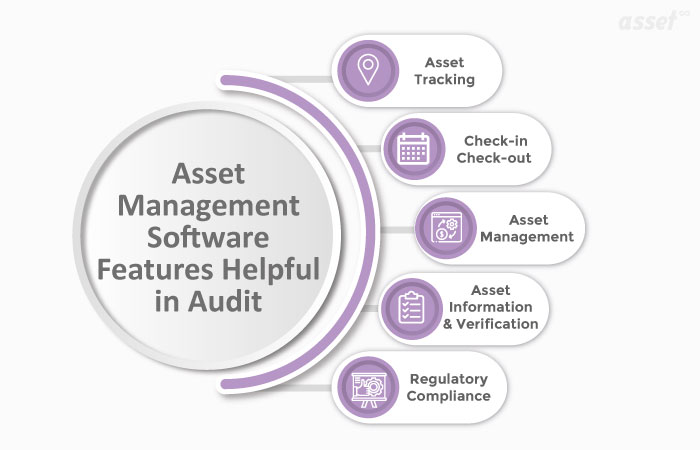
Asset Management Software Features That Help in an Audit
- Regulatory Compliance
- Asset Tracking
- Check-in/Check-out
- Asset Management
- Asset Information and Verification
Also Read: Bluetooth Low Energy (BLE): A New Asset Tracking Technique
Audits Keep a Rental Business Growing
Auditing is a crucial part of your business, especially if you are an equipment and tool leasing company. If you want to grow your business, investing in asset management software is the first step in that direction.
The software helps keep records accurate, and asset-related information can be found at any time, on a desktop, laptop, or phone.
A cloud-based application also helps you audit rental assets and keep the information up to date. Audits run through asset inventory software help the organization build more effective operational processes over time.