






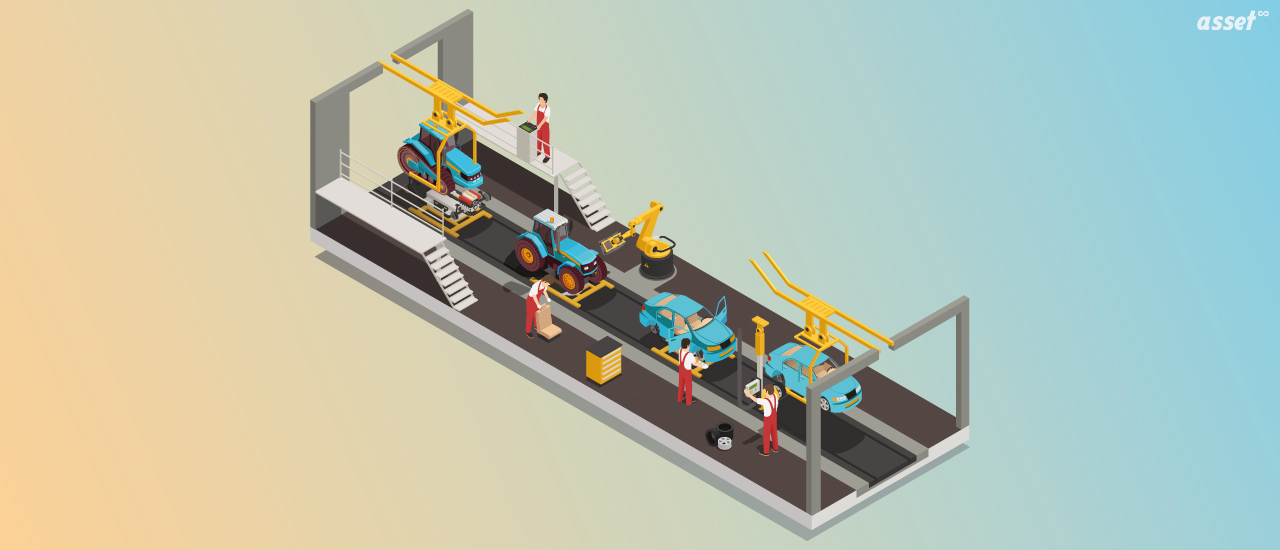
In the highly competitive automotive industry, managing automobile assets efficiently is crucial for maintaining profitability, ensuring regulatory compliance, and staying ahead of the competition. Automotive companies rely on a wide range of assets, from manufacturing equipment and vehicle fleets to IT infrastructure and real estate. Effective management of these assets is essential for reducing operational costs, improving productivity, and extending the lifespan of critical equipment. This is where Automotive Asset Management and Enterprise Asset Management (EAM) solutions come into play. EAM systems give automotive companies the tools they need for tracking assets, carrying out automobile asset management, and getting the most from each asset throughout its life cycle.
Key Enterprise Asset Management Benefits in the Automotive Industry
EAM solutions bring benefits to different segments within the automotive industry, so that automobile assets are managed efficiently across the board. Understanding enterprise asset management benefits helps automotive companies get the most return on their investment and maintain a competitive advantage:
1. Manufacturing Plants
- Asset Visibility and Tracking: In automotive manufacturing plants, managing the vast array of equipment, machinery, and tools is essential for smooth operations. Asset Infinity’s asset register and label designer for QR codes and barcodes let manufacturers track and monitor all their assets, so production processes run smoothly and assets are used efficiently.
- Asset Reallocation: By using moves and transfers and check-out and check-in, manufacturers can manage the movement of assets between production lines or facilities, improving their utilization and reducing downtime.
2. Ancillaries and Spare Parts Management
- Inventory Control: Ancillary suppliers and spare parts managers can use Asset Infinity’s parts inventory and numbering series to keep accurate records of parts and components, so the right parts are available when needed. Reorder points and purchase requests simplify requesting and allocating spare parts, reducing lead times and improving service efficiency.
- Depreciation and Disposal: Managing the lifecycle of spare parts and ancillaries is crucial for cost control. The depreciation and disposals features help track the value of capital spares over time and make sure obsolete items are disposed of responsibly, minimizing waste and freeing up valuable storage space.
3. Warehouses and Yards
- Real-Time Asset Monitoring: Warehouses and storage yards are critical hubs in the automotive supply chain. Asset Infinity’s GPS tracking and fixed RFID readers track vehicles, parts, and other assets stored in these facilities, so nothing is lost or misplaced.
- Audits and Physical Counts: Regular audits are essential for maintaining accurate inventory records. Verification rounds support these counts, helping warehouse managers make sure all assets are accounted for and discrepancies are kept to a minimum.
4. Suppliers and Dealership Networks
- Leased and Rented Assets: Suppliers and dealerships often handle assets owned by partners or third parties. In Asset Infinity, lease and rental contracts can be recorded against an asset, along with a custodian and a due-back date, so these assets are used in line with agreements and returned in good condition.
- Asset Bookings: Dealerships can use bookings to allocate and reserve vehicles for test drives, demonstrations, or customer deliveries, so vehicles are available when needed and scheduling conflicts are avoided.
5. Showrooms and Dealerships
- Digital Floor Plans: With BLE tags and gateways, showrooms and dealerships can see tagged assets on a floor plan of their facilities, helping staff locate vehicles, accessories, and other assets quickly. This improves the customer experience, because vehicles and products are displayed and managed well.
- Check-Out and Check-In for Vehicle Management: Managing the movement of vehicles between showrooms, dealerships, and customers is crucial. Check-out and check-in helps dealerships record who has a vehicle, manage test drives, and get vehicles returned on time.
6. Workshops and Service Centers
- Asset Records and Maintenance Plans: Workshops and service centers rely on a wide range of tools and equipment to perform maintenance and repairs. Asset Infinity’s asset register and preventive maintenance plans keep tools tracked, maintained, and used efficiently, reducing the risk of downtime due to equipment failure.
- Custom Fields and Workflows: Every workshop has its own processes. Custom fields and approval workflows let service centers shape their asset management processes to their operational needs and improve overall efficiency.
How EAM Solutions Can Save Costs for Automotive Companies
Implementing EAM solutions with Asset Infinity’s features can lead to significant cost savings for automobile asset management in automotive companies:
Optimizing Asset Utilization
With current data on asset usage from GPS tracking, check-out and check-in, and scannable labels, automotive companies can make sure assets such as vehicles, machinery, and tools are used to their full potential. This reduces the need for unnecessary purchases and minimizes idle time, leading to lower operational costs.
Reducing Asset Discrepancies
Discrepancies between recorded and actual asset data can lead to significant financial losses. With features like verification rounds, RFID handheld readers, and import, automotive companies can keep these discrepancies to a minimum and their records accurate and up to date.
Simplifying Asset Disposal
Efficient asset disposal processes, supported by disposals and depreciation, help companies avoid holding onto obsolete assets, freeing up capital that can be reinvested in more critical areas. This is particularly important in managing spare parts, machinery, and vehicles that have reached the end of their useful life.
Steps for Effective EAM Implementation in the Automotive Sector
Implementing an EAM solution effectively across the automotive sector requires careful planning and execution. Here are some key steps for EAM implementation:
Comprehensive Asset Inventory
Begin by collecting detailed data on all assets across manufacturing plants, warehouses, dealerships, and workshops, using the asset register, import, and label designer. This data will serve as the foundation for your EAM system.
Customization and Workflow Development
Use approval workflows and custom fields to tailor the EAM system to the specific needs of each segment within the automotive industry. This customization helps the system fit into existing processes, whether in a manufacturing plant or a dealership showroom.
Integration with Existing Systems
Plan how the EAM solution will exchange data with other enterprise systems such as ERP or CRM, using integrations or import to move data across the supply chain.
Employee Training and Adoption
Train employees across all segments, including manufacturing, warehousing, dealerships, and workshops, on how to use the EAM system effectively. Focus on key features like the mobile app, check-out and check-in, and bookings so all users can access and update asset information easily.
Ongoing Monitoring and Optimization
Continuously monitor asset performance using GPS tracking, depreciation, reports, and other features. Regularly review and improve workflows so assets are used efficiently across the entire automotive value chain.
Top EAM Trends and Technologies for Automotive
The automotive industry is continuously evolving, and so are the technologies used in Automotive Asset Management. Here are some top EAM trends and technologies that are shaping the future of automobile asset management:
- Integration of IoT and RFID: IoT devices and RFID Handhelds are increasingly used for real-time tracking of assets in manufacturing plants, warehouses, and dealerships. This technology improves visibility, reduces losses, and strengthens inventory management across the entire automotive supply chain.
- Advanced Analytics and AI: Predictive analytics and AI-driven decision-making are transforming how automotive companies manage their assets. These technologies help improve asset utilization, sharpen decision-making, and reduce operational costs by analyzing vast amounts of data collected from assets across the industry.
- Mobile and Cloud-Based EAM Solutions: The shift towards mobile and cloud-based EAM solutions is accelerating, particularly in the automotive industry, where managing assets across multiple locations is common. Mobile apps and cloud-based systems offer real-time data access, improved collaboration, and reduced IT infrastructure costs.
- Digital Twin Technology: Digital twins are virtual replicas of physical assets, allowing automotive companies to simulate and optimize asset performance in real-time. This technology is particularly useful in manufacturing and fleet management, where asset performance can be modeled and improved without impacting physical operations.
- Sustainability and Environmental Compliance: As environmental regulations become more stringent, automotive companies are focusing on sustainability. EAM systems help track and report on the environmental impact of assets, from energy consumption to waste management, supporting compliance and sustainability initiatives.
- Augmented Reality (AR) for Asset Management: AR is being added to EAM systems to improve interaction with assets. Technicians in workshops and service centers can use AR to visualize asset data in real-time, improving accuracy and efficiency in asset management tasks.
- Cybersecurity and Data Protection: As EAM systems become more integrated and data-driven, cybersecurity is a top priority. Automotive companies must make sure their EAM systems are protected from cyber threats, particularly when dealing with sensitive data such as asset usage patterns and financial information.
- Comprehensive Asset Lifecycle Management (ALM): EAM systems are increasingly incorporating comprehensive ALM, integrating all stages of an asset’s life from acquisition to disposal. This end-to-end approach helps automotive companies track and manage assets more effectively, getting more value from them and reducing costs across their entire life cycle.
Also Read: Efficient Asset Management for an Auto Component Manufacturer
EAM Solutions Give Automotive Companies Control of Their Assets
Enterprise asset management (EAM) solutions such as Asset Infinity are essential for effective automobile asset management, reducing costs, and supporting regulatory compliance across all segments of the automotive industry. With these solutions, automotive companies, from manufacturers and suppliers to dealerships and service centers, can gain better control over their automobile assets, make data-driven decisions, and improve their bottom line.
Frequently Asked Questions (FAQs)
How is AI impacting EAM in the automotive sector?
AI is changing EAM in the automotive sector by enabling predictive analytics, supporting decisions, and improving asset utilization through data-driven insights. AI tools help companies improve asset performance, manage inventory better, and reduce operational costs.
How does EAM improve overall equipment effectiveness (OEE) in automotive manufacturing?
EAM improves overall equipment effectiveness by keeping assets maintained and in use, tracking their performance, and providing insights for continuous improvement through maintenance history and reports.
How can EAM help automotive companies optimize asset replacement decisions?
EAM systems use data from features like depreciation and the asset register to show companies when it is more cost-effective to replace an asset than to keep running it. This helps in making timely and financially sound replacement decisions.
How does EAM ensure regulatory compliance in the automotive sector?
EAM systems support regulatory compliance by providing tools for detailed tracking, auditing, and documentation of asset-related activities. Features like the asset register, verification rounds, and disposals help maintain accurate records and demonstrate compliance with industry regulations.
What are the environmental benefits of effective asset disposal in the automotive industry?
Effective asset disposal, managed through disposals and depreciation, helps obsolete assets be handled in an environmentally responsible way, reducing waste and minimizing the environmental impact of disposal processes.